

Will Condensation Between Window Panes Ever Go Away?
You won’t see condensation between your window panes disappear on its own because once the seal breaks, moisture gets trapped inside permanently. This trapped moisture leads to fogging and reduces the insulation efficiency of your windows.
Resealing or temporary fixes might improve the appearance but won’t remove the existing fog or restore insulation. Over time, the moisture can cause stubborn fogging, stains, and energy loss.
If you want to understand why this happens and what steps you can take to fix or prevent it, keep exploring your options. Addressing the issue early can help maintain your windows’ performance and appearance.
Why Condensation Between Window Panes Won’t Go Away
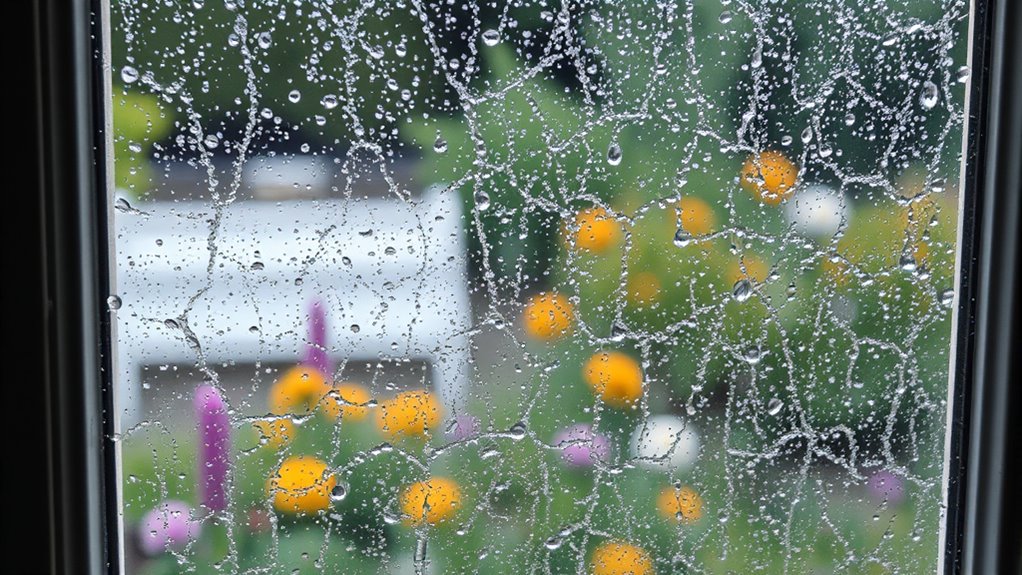
Although you might try to fix the seal on your window, condensation between the panes won’t disappear on its own because moisture gets trapped once the seal fails. When the window seal breaks, moisture condensation forms inside the insulated glass unit, and that trapped moisture can’t escape naturally.
A failed seal allows humidity to enter, but resealing only addresses the broken window seal—it doesn’t remove existing condensation between panes. Over time, trapped moisture can worsen, causing fogging and stains.
Without replacing or resealing the entire window, the problem persists. So, once the seal failure happens, moisture remains locked inside the insulated glass unit, making the condensation between panes a permanent issue until the whole unit is properly replaced or restored.
Can You Fix Foggy Double Pane Windows Without Replacing Them?
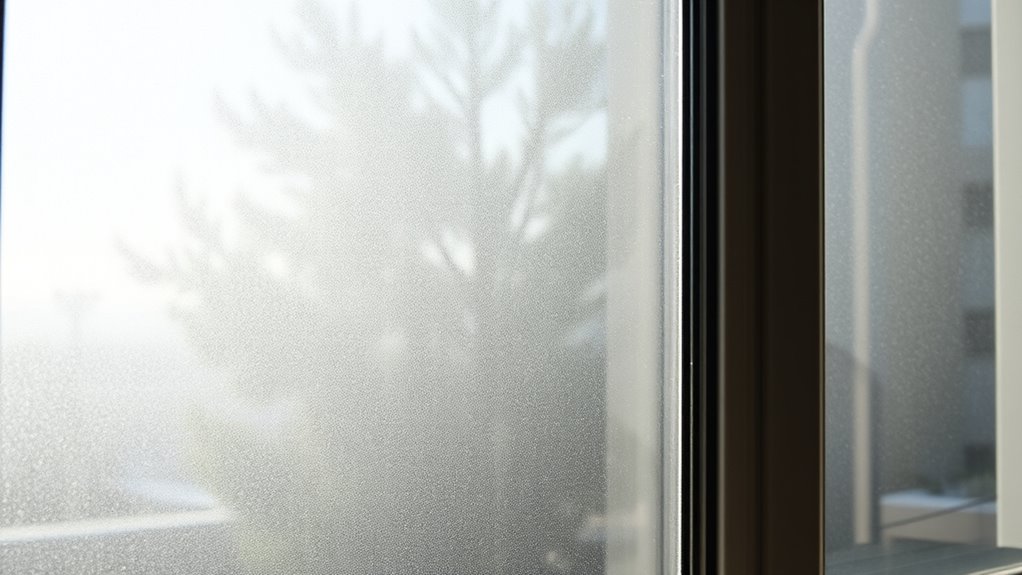
Once condensation forms between your window panes due to a broken seal, you might wonder if there’s a way to fix the fogginess without replacing the entire window. While some repair methods like drilling small holes or injecting desiccants can temporarily reduce window condensation, these solutions don’t restore the original seal or gas fill.
Defogging services may improve the appearance of foggy windows but don’t stop future moisture ingress caused by seal failure. Because the underlying problem remains, fogging often returns over time. Drilling holes can compromise insulation and structural integrity.
Ultimately, seal repair is limited, and replacing insulated glass units or the whole window is the most effective long-term solution to prevent persistent condensation and maintain energy efficiency.
How Seal Failure Traps Moisture Between Panes
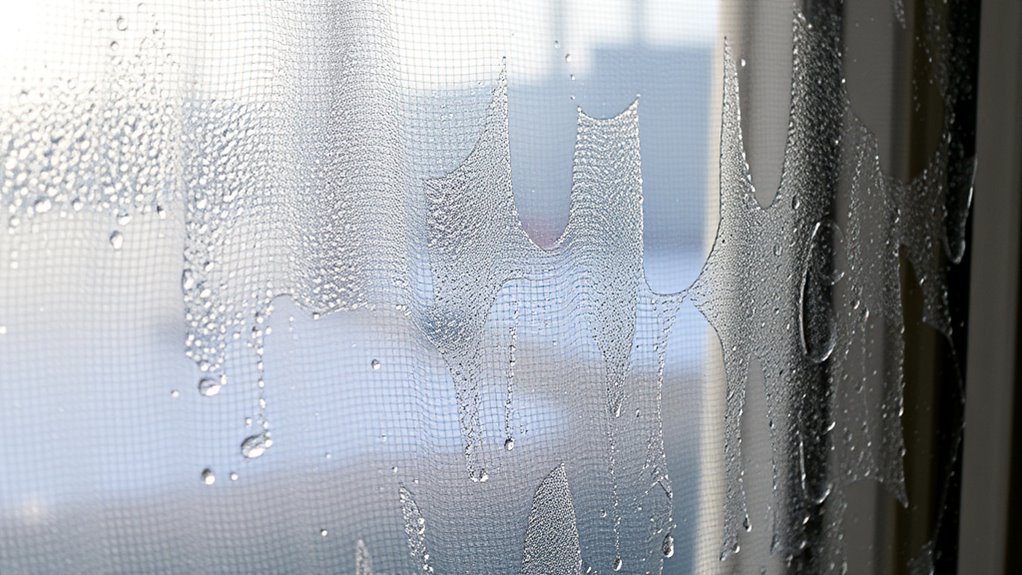
When a seal in your insulated glass unit fails, it lets warm, moist air slip between the window panes, trapping moisture inside. This seal failure creates a seal breach, allowing water vapor to enter the space that was once airtight.
Initially, the desiccant inside absorbs moisture, but over time, desiccant saturation occurs, and moisture trapped inside leads to condensation. You’ll notice fogging, milky stains, and mineral deposits forming between the window panes.
While window repair can fix the seal breach, it can’t remove the moisture already trapped inside. This persistent moisture causes continued fogging and damage, making condensation a lasting problem unless addressed by more extensive measures beyond just resealing the insulated glass unit.
When to Replace Your IGU or Window
Moisture trapped between window panes due to a failed seal rarely disappears on its own, and temporary repairs often fall short of restoring your window’s performance. When you notice persistent condensation between panes, it’s a clear sign of seal failure in your insulated glass unit (IGU).
While glass repair or resealing might seem like quick fixes, they usually don’t restore your window’s insulating properties or prevent future moisture and air infiltration. If your failed window compromises energy efficiency or comfort, it’s time to contemplate window replacement.
Opting for a new IGU or entire window ensures a durable, airtight seal that keeps moisture out and maintains your home’s insulation. Investing in quality replacement windows can save you from repeated issues and higher energy costs down the line.
How to Prevent Condensation Between Window Panes
Although condensation between window panes can be frustrating, you can take several effective steps to prevent it. Start with proper window installation by trusted professionals to avoid gaps that cause moisture ingress and seal failure. Choose high-quality, ENERGY STAR-certified windows with warm-edge spacers and inert gas fills like argon or krypton in the insulating glass unit; these improve energy efficiency and reduce condensation.
Regularly inspect and replace damaged window seals to maintain the insulating gas and prevent condensation buildup. Additionally, practice humidity control inside your home by keeping levels below 50% using dehumidifiers and ventilation.
These combined strategies offer reliable condensation prevention, preserving your windows’ clarity and performance for years.
Frequently Asked Questions
Will Condensation Between Window Panes Go Away?
Condensation between window panes won’t go away on its own because the seal is broken.
You’ll need to replace the glass unit or the entire window to fix it permanently and keep moisture out for good.
Can Window Panes Be Resealed?
Yes, you can reseal window panes by replacing the sealant, but it usually only lasts 3 to 5 years.
It temporarily reduces condensation but won’t permanently fix the underlying seal or gas leakage issues.
Will Condensation Eventually Go Away?
You might hope condensation eventually disappears, but it won’t unless you fix the seal or replace the window.
Without repair, that trapped moisture sticks around, so taking action is your best bet for clear panes.
Can Fogged Double-Pane Windows Be Repaired?
You can repair fogged double-pane windows by removing moisture and resealing, but it’s usually temporary.
For a lasting fix, you’ll need to replace the insulating glass unit or the entire window.
Conclusion
You might hope condensation between your window panes will just vanish, but it rarely does. When seals fail, moisture gets trapped, and no amount of wiping will fix it. Ironically, the clearer you want your view, the more trapped fog reminds you of the problem.
While you can try temporary fixes, replacing the window is often the only real solution. So, don’t wait—address it now before that foggy view becomes a permanent reminder. Will condensation between window panes ever go away? In most cases, the answer is no, unless you replace or repair the window seals effectively.