
What Happens If You Touch a Lash Egg Safely
If you touch a lash egg safely by wearing gloves and avoiding direct contact, you greatly reduce your risk of picking up harmful bacteria like Salmonella.
Proper handling of lash eggs is essential to prevent infections and maintain hygiene.
You should still wash your hands thoroughly afterward and disinfect any tools or surfaces used. These precautions help keep you healthy and prevent infection from spreading.
If you want to know how to handle lash eggs properly and spot signs of infection early, keep exploring the best practices and care tips. Following these guidelines ensures safe interaction with lash eggs and promotes overall safety.
What Is a Lash Egg and Why Does It Happen?

A lash egg isn’t a real egg but a rubbery mass made of pus, tissue, and debris that hens expel due to infection. These lash eggs form mainly because of salpingitis, an inflammation in the hen’s reproductive tract caused by bacterial or fungal infection.
When a hen suffers from this bacterial infection, her body responds by pushing out this irregular mass, which lacks the hard shell you’d expect from normal eggs. Lash eggs often smell foul and can vary in color from yellow to brown.
You might notice them when hens face reproductive issues linked to infection, nutritional deficiencies, stress, or age. Understanding why lash eggs happen helps you recognize infection problems in your flock early on.
Can Humans Get Sick From Touching Lash Eggs?

You can get sick if bacteria like Salmonella transfer to you when touching lash eggs with bare hands. To lower the risk, always wear gloves and wash your hands thoroughly afterward.
Taking these precautions helps prevent infections and keeps you safe.
Infection Risks From Contact
Although lash eggs themselves aren’t contagious, touching them with bare hands can transfer harmful bacteria like Salmonella to you. These bacteria can cause infections, especially if you touch your face, eyes, or open wounds afterward. Good hygiene plays a vital role in preventing illness.
Washing your hands thoroughly after handling lash eggs helps remove any lingering bacteria. Wearing gloves provides an extra layer of protection, creating a barrier that prevents bacteria like Salmonella from reaching your skin. If you have cuts or a weakened immune system, the risk of infection increases, making it even more important to avoid direct contact.
Proper Handling Precautions
Since lash eggs can carry harmful bacteria like Salmonella on their surface, handling them without precautions increases your risk of infection. To protect yourself, always wear gloves when touching lash eggs. Gloves act as a barrier, minimizing direct contact with bacteria.
After handling, thorough handwashing with soap and water is essential to maintain hygiene and prevent bacterial spread. Remember, the lash eggs themselves aren’t contagious; it’s the bacteria on them that can make you sick. Avoid touching them directly whenever possible.
| Precaution | Reason |
|---|---|
| Wear gloves | Blocks bacteria transfer |
| Handwashing | Removes bacteria after contact |
| Avoid contact | Ensures personal hygiene and safety |
How Should You Handle Lash Eggs Safely?
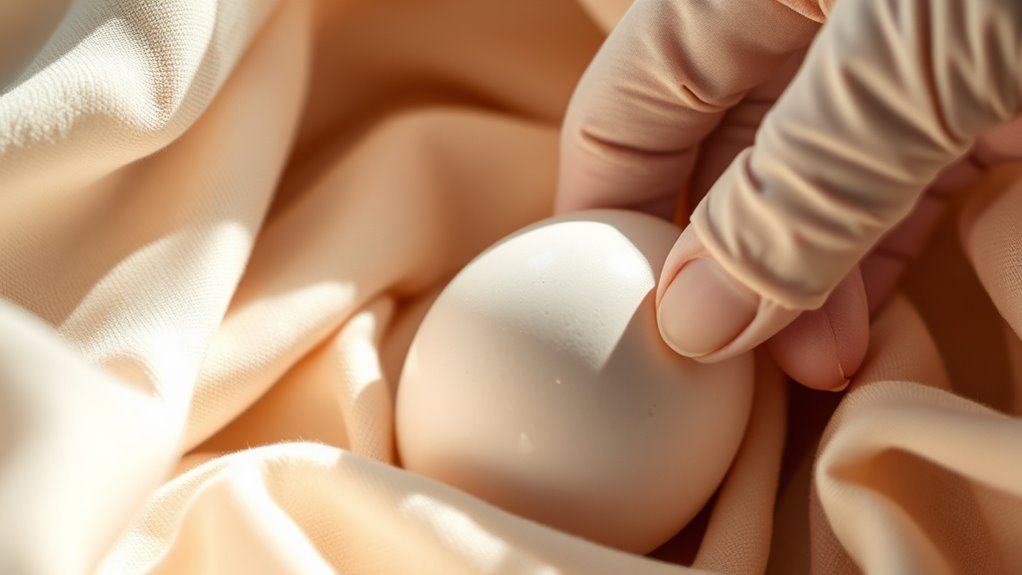
When handling lash eggs, always wear gloves to prevent bacterial transmission and reduce the risk of infection. Gloves act as a barrier, guaranteeing your hands stay clean while maintaining safety during handling. Use clean, sanitized tools if you need to open or remove lash eggs carefully, avoiding direct contact as much as possible.
After handling, even if you wore gloves, wash your hands thoroughly with soap and water to further minimize contamination risks. Dispose of lash eggs properly in sealed bags and disinfect the area where you worked to maintain hygiene and prevent the spread of pathogens.
Cleaning and Precautions After Handling Lash Eggs
After handling lash eggs, you should immediately wash your hands thoroughly with soap and water to remove any potential contaminants. Even if you wore gloves, cleaning your hands reduces the risk of contamination.
Next, disinfect any tools, gloves, or surfaces that came into contact with the lash eggs using a bleach solution or a suitable disinfectant. This step is vital to prevent the spread of bacteria.
Finally, properly dispose of the lash eggs in sealed bags to avoid environmental contamination. Follow these key steps:
- Remove gloves carefully and disinfect them if reusable or discard safely.
- Wash hands thoroughly to eliminate any residual germs.
- Clean and disinfect all surfaces and tools involved in handling.
Taking these precautions ensures safe handling and minimizes contamination risks.
Signs of Infection in Humans and Chickens
If you notice diarrhea, fever, or abdominal cramps after handling lash eggs, you might be dealing with an infection. Keep an eye on your chickens too; lethargy, decreased appetite, or swelling around their reproductive area can signal health issues.
Recognizing these signs early helps you take action before problems worsen.
Human Infection Symptoms
Although lash eggs may look harmless, handling them without proper hygiene can expose you to harmful bacteria like Salmonella. If you do get infected, you might experience symptoms within 12 to 72 hours. Knowing these symptoms helps you recognize a bacterial infection early and seek treatment.
Always practice good hand hygiene to reduce risks.
Common infection symptoms include:
- Diarrhea and abdominal cramps
- Fever and nausea
- Fatigue and general discomfort
If you notice these signs after touching lash eggs, wash your hands immediately and consult a healthcare professional, especially if you have a weakened immune system. Proper hand hygiene is your best defense to avoid bacterial infection from lash eggs.
Chicken Health Indicators
When you handle lash eggs or care for chickens, watching for health indicators in both humans and birds is essential. Chicken health indicators like lethargy, swollen abdomen, and reduced egg production often signal underlying issues such as salpingitis. Abnormal droppings also serve as critical signs of infection, so you should perform regular health checks to catch problems early.
Monitoring chicken behavior daily helps you spot these signs quickly, preventing severe infections. Remember, touching lash eggs can transfer bacteria like Salmonella to you, causing symptoms like diarrhea and fever. By staying vigilant about both your health and your chickens’, you reduce risks and maintain a safer environment for everyone involved.
Regular health checks are key to managing potential infections effectively.
When to Seek Medical or Veterinary Help
Because lash eggs can sometimes indicate underlying infections or health issues, you should promptly consult a veterinarian if your hen shows signs like persistent lethargy, abnormal swelling, or if the lash egg emits a foul odor. Knowing when to seek veterinary help is vital to prevent complications and guarantee your hen’s well-being.
After touching lash eggs, watch closely for signs of illness and avoid self-medicating, as improper treatment can worsen conditions.
Here are key reasons to seek professional diagnosis:
- Persistent lethargy or abnormal swelling around the vent area.
- A foul odor or visible infection on the lash egg itself.
- Multiple hens showing similar symptoms, risking disease spread.
Always prioritize professional care to keep your flock healthy.
Frequently Asked Questions
Should You Touch a Lash Egg?
You shouldn’t touch a lash egg with bare hands. If you must, wear gloves and wash your hands thoroughly afterward to avoid bacterial contamination.
This helps protect you from potential infections linked to lash eggs.
What Should I Do if I Find a Lash Egg?
Like discovering a tiny treasure, you should carefully wear gloves, pick up the lash egg, and dispose of it properly.
Then, wash your hands and tools thoroughly to keep your flock safe and healthy.
Should I Be Concerned if My Chicken Lays a Lash Egg?
You don’t need to worry if your chicken lays a lash egg; it’s normal. Just keep the coop clean and monitor your hen’s health to prevent bacterial buildup, ensuring both you and your chicken stay safe and healthy.
What’s Inside a Lash Egg?
Like a rotten apple hiding inside, a lash egg contains pus, dead tissue, and infectious debris—not a real egg.
You’ll find a foul-smelling, soft, rubbery mass wrapped in fibrous layers, signaling infection or reproductive issues.
Conclusion
Now that you know what a lash egg is and how to handle it safely, you might wonder, is it really worth the risk to touch one? While lash eggs can seem unsettling, touching them carefully and cleaning up properly minimizes any chance of infection.
Always watch for signs of illness in yourself or your chickens, and don’t hesitate to seek help if needed. Staying informed helps you protect both your health and your flock’s well-being.
In conclusion, understanding what happens if you touch a lash egg safely is crucial. With proper precautions, the risk is low, allowing you to manage your flock confidently and maintain good hygiene.