
How You Can Fix Foggy Double Pane Windows Step by Step
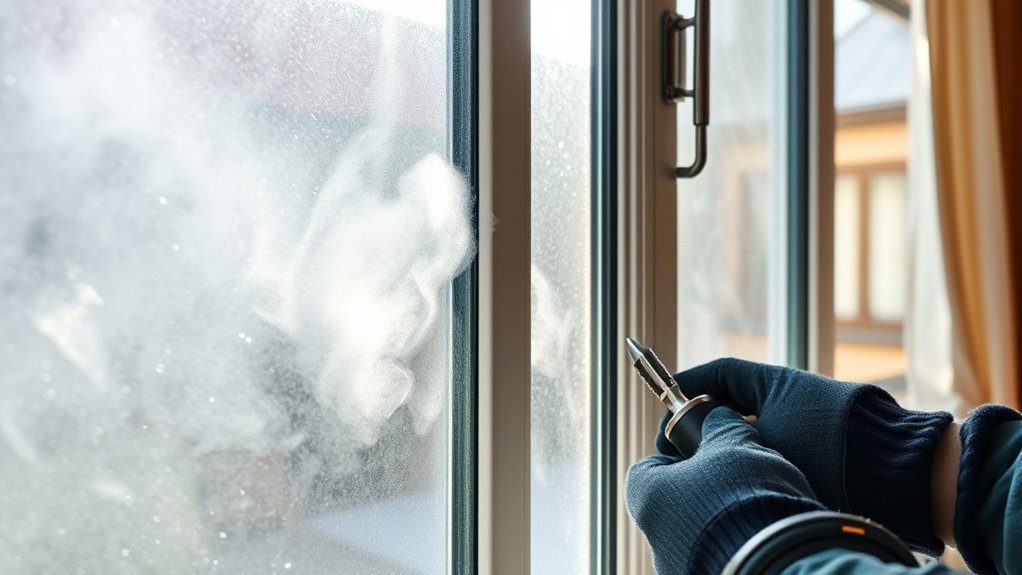
To fix foggy double pane windows and restore their clarity, start by identifying seal failure. This is usually indicated by moisture trapped between the panes.
Carefully remove the beading strips without causing damage. Next, take out the glass panels gently to avoid breaking them.
Clean the panes thoroughly using denatured alcohol and ensure they are completely dry.
After cleaning, apply new spacers that contain desiccant to absorb any moisture.
Reseal the window edges with a high-quality sealant to maintain airtightness.
Finally, reinstall the glass and reattach the beading strips securely.
Understanding the difference between repair and replacement options can help you maintain your windows better. Regular preventive maintenance will keep your double pane windows clear and energy-efficient.
Identifying Fog and Seal Failure in Double Pane Windows

When you notice a cloudy or misty layer between the panes of your double pane windows, it’s a clear sign that the seal has failed. This seal failure allows moisture buildup inside the space between the glass layers, causing that annoying foggy window effect. The window seal is supposed to keep the air and water vapor out, maintaining insulation and clarity.
Over time, exposure to weather and temperature changes weakens the seal, letting moisture sneak in. If you spot condensation trapped between the panes, it confirms the window seal is compromised. Not only does this fog reduce visibility, but it also cuts down your window’s insulation efficiency and can lead to mold.
Identifying this early helps you decide the next steps to fix the issue.
Deciding Between Repair and Replacement
Although repairing foggy double pane windows can be a cost-effective solution for minor seal failures, you’ll need to weigh this against the benefits of full replacement, especially if your windows are older or have extensive damage. When deciding repair vs. replace, consider the window’s age and condition.
Seal failure traps moisture between panes, causing foggy windows that repair can sometimes fix, restoring clarity. However, window replacement often improves energy efficiency and provides longer-lasting results.
If your double-pane windows are nearing 10-20 years or show multiple issues, replacement might be more practical. A professional assessment can guide you, helping determine whether a simple repair will hold up or if investing in new windows is the smarter choice for comfort and savings.
Removing a Foggy Window Pane
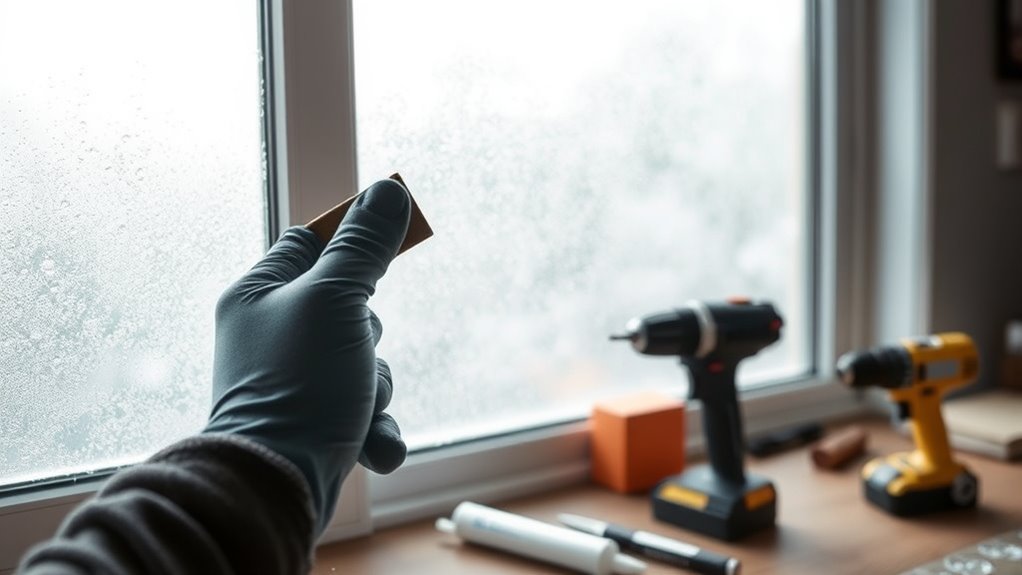
If you decide that repair is the best route, the next step involves carefully removing the foggy window pane without damaging the frame or glass. Start by using a thin, stiff-bladed knife or a beading removal tool to gently remove the beading strips or outer frame clips holding the sealed window unit in place.
Next, carefully pry or slide the sealed window unit out of the frame, taking care not to harm the glass edges or surrounding frame. Once removed, measure the glass dimensions accurately if you plan to replace the glass.
To separate the panes, gently pry apart the sealed edges, applying heat or pressure if needed to loosen the window seals. This process lets you remove the old foggy window and prepare it for repair or replacement.
Cleaning Foggy Double Pane Glass Before Resealing
Since thorough cleaning removes dirt and debris that can compromise resealing, you’ll want to carefully clean the foggy double pane glass before resealing it. Start by mixing denatured alcohol with a soft cloth or fine steel wool to gently clean the glass surface without scratching it. Wipe the foggy glass in a circular motion to eliminate dust, dirt, and any residues that could prevent a tight seal during resealing.
Make sure to focus on moisture removal by drying the glass completely before reassembling or applying sealant. Proper cleaning guarantees the resealing process is more effective and helps prevent future fogging caused by trapped moisture or dirt inside the panes. Taking these steps will give you a clear, fog-free window.
Applying Spacers and Sealant to Fix Window Fog
You’ll want to choose spacers that fit your window dimensions perfectly to guarantee a proper seal. Apply sealant evenly around the spacer to create an airtight barrier that keeps moisture out.
Taking care with alignment and cleanup will help you prevent future fogging and maintain clear glass.
Selecting Proper Spacers
Although selecting the right spacers might seem straightforward, choosing products like CR Laurence Super Spacer or silicone spacers with desiccant plays a crucial role in preventing moisture buildup and maintaining a consistent gap between glass panes. When picking spacers, focus on those containing desiccant to absorb any trapped moisture.
You’ll want to cut spacers precisely to fit your window’s dimensions without damaging the vapor barrier. This ensures a tight fit that enhances insulation. Proper spacers work hand-in-hand with sealant, which you’ll apply later to secure the edges and block moisture from entering.
Using spacers designed for moisture resistance and insulation improves your window’s longevity and clarity. Taking the time to select quality spacers sets a solid foundation for effective fog prevention and window repair.
Applying Sealant Correctly
Before applying sealant, make sure you clean the glass surfaces thoroughly with denatured alcohol and steel wool to guarantee the spacer and sealant adhere properly.
Next, apply the spacer evenly along one glass pane’s edge, keeping a consistent width to avoid fogging. Use a plastic guide to lay down a steady bead of sealant, like CRL 877 caulking, ensuring airtight and moisture-proof adhesion.
After application, remove excess sealant with acetone or brake cleaner for a clean finish.
| Step | Tip |
|---|---|
| Cleaning | Use denatured alcohol & steel wool |
| Spacer Application | Keep width consistent |
| Sealant Application | Use a plastic guide for a uniform bead |
| Cleanup | Remove excess with acetone |
Ensuring Airtight Seals
When sealing double pane windows, applying a high-quality, weather-resistant sealant along the edges after inserting a properly aligned spacer is essential to prevent moisture intrusion and fogging. To guarantee an airtight seal, follow these steps:
- Insert an insulating spacer with a built-in moisture barrier and desiccant to absorb residual humidity.
- Align the spacer firmly between the glass panes, making sure it’s pressed evenly to avoid gaps.
- Apply sealant carefully around the edges, covering the spacer completely to create a durable moisture barrier.
This seal repair method stops air leaks and moisture buildup, maintaining clear glass and improving insulation. Proper use of the sealant and spacer ensures your windows stay fog-free longer, protecting your home’s energy efficiency and comfort.
Reinstalling Foggy Double Pane Windows
Once you’ve removed the foggy sealed unit, you’ll need to measure the old window’s height, width, and thickness accurately to order the right replacement. This sealed window, often suffering from a broken seal, causes that annoying window fog between the glass panes.
When your new insulated glass unit arrives, clean the frame thoroughly, removing old sealant and debris to ensure a smooth surface. Carefully insert the new glass pane into the frame, making sure it fits snugly to prevent future issues.
Finally, reapply the beading strips securely around the sealed window to hold it firmly in place. By following these steps, you’ll effectively replace the insulated glass unit and restore your window’s clarity, eliminating fog caused by a broken seal.
Preventing Fog on Double Pane Windows
To keep your double-pane windows clear, start by controlling indoor humidity with dehumidifiers and air purifiers. Make sure you maintain tight window seals by regularly inspecting and resealing frames to block moisture.
Finally, improve air circulation by using exhaust fans and opening windows in high-moisture areas to reduce condensation.
Control Indoor Humidity
Although foggy double pane windows can result from various issues, controlling indoor humidity plays a crucial role in preventing moisture buildup. You’ll want to keep indoor humidity between 30-50% to avoid excess moisture that causes fog. Use a hygrometer to monitor levels regularly, so you can act before problems arise.
Here’s how to maintain proper moisture control:
- Use dehumidifiers in damp areas like basements and bathrooms to reduce humidity.
- Ensure proper ventilation by running exhaust fans in kitchens and bathrooms to remove moisture promptly.
- Seal leaks around doors and windows to prevent outdoor humidity from increasing indoor moisture.
Maintain Window Seals
Since window seals act as the primary barrier against moisture, you need to inspect and maintain them regularly to prevent fogging in double pane windows. Check for signs of wear, cracking, or gaps that could allow moisture infiltration. Clean the window frames and seals to avoid dirt buildup, which can cause deterioration over time.
Apply weatherstripping or caulking around the window perimeter to reinforce the seal and block air and moisture entry. When resealing, use high-quality sealant to guarantee a durable, airtight barrier. Don’t ignore minor damages—address them promptly to avoid seal failure and extend your windows’ lifespan.
Improve Air Circulation
When you boost air circulation inside your home, you cut down the humidity that causes fog on double pane windows. Effective humidity control is essential to prevent indoor moisture buildup that leads to condensation.
Here’s how you can improve ventilation and reduce window fog:
- Use exhaust fans in bathrooms and kitchens to remove moist air before it settles on your windows.
- Regularly open windows and doors to increase airflow and balance indoor humidity levels.
- Employ ceiling fans or air circulators to maintain even air circulation throughout your rooms.
Frequently Asked Questions
How to Fix Double-Pane Windows That Are Cloudy?
You can drill tiny holes in the glass, remove moisture, and inject anti-fog solutions. If that doesn’t work, replace the sealed glass unit.
Don’t hesitate to call a professional for extensive damage or persistent fogging.
How to Fix Foggy Double-Glazed Windows?
You can fix foggy double-glazed windows by carefully drilling small holes, removing moisture, cleaning inside the panes, and resealing them.
If that doesn’t work, you’ll likely need to replace the entire insulated glass unit.
Is There a Way to Get Moisture Out of a Double-Pane Window?
Yes, you can remove moisture by drilling small holes and using desiccants or hiring professionals to inject drying agents.
However, replacing the sealed unit is the most reliable way to permanently eliminate trapped moisture inside double-pane windows.
How to Repair Fogged up Windows?
When life gives you fogged-up windows, drill tiny holes, insert a desiccant, then seal them tight.
Clean old sealant, reapply fresh seal, or replace the glass.
If stuck, call a pro to clear the view.
Conclusion
Fixing foggy double pane windows might seem tricky, but with patience, you can clear them up like wiping morning mist off a car windshield. By carefully removing, cleaning, and resealing the panes, you restore clarity and keep your home cozy.
Remember, regular maintenance acts like a shield against future fog, saving you time and money. With these steps, your windows will shine bright and clear again in no time.
In conclusion, following these simple steps to fix foggy double pane windows can greatly improve your home’s appearance and energy efficiency. Proper cleaning and resealing ensure long-lasting results, making your windows look brand new. Don’t forget, timely maintenance is key to preventing fog and preserving the beauty of your double pane windows.