How to Get Egg Off Your Car in 5 Easy Steps
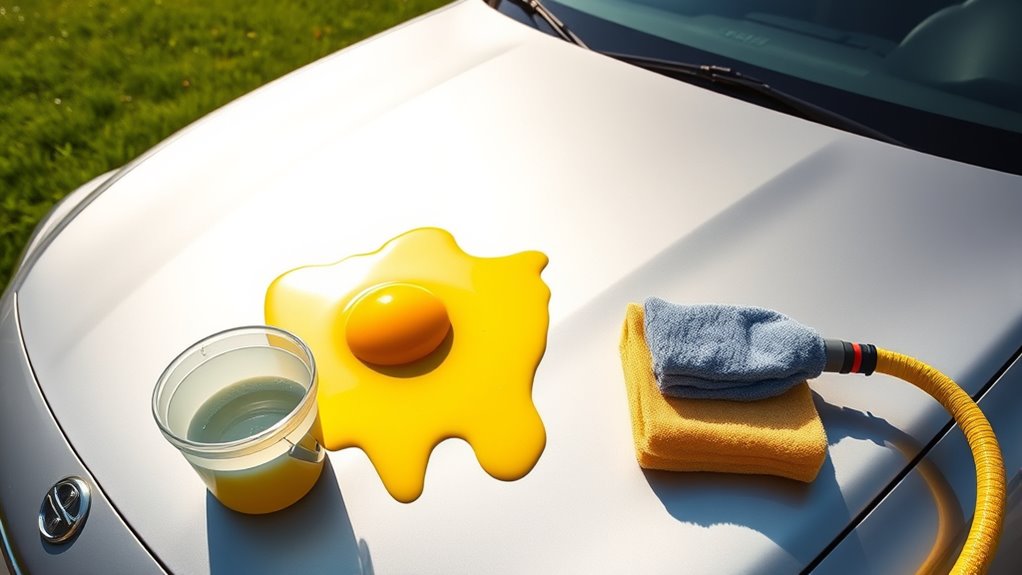
First, gently pick off any eggshells to avoid scratching your car’s paint. Removing egg from your car can be tricky, but starting carefully helps protect your vehicle’s finish.
Next, soften the residue by spraying warm soapy water and letting it sit for a few minutes before wiping with a microfiber cloth.
For tougher stains, try white vinegar or a safe automotive cleaner.
Then, rinse the area thoroughly and dry it with a soft cloth to prevent water spots.
Finish by applying wax or sealant to protect your finish.
Keep going to discover more tips for spotless results.
Gently Remove Eggshells to Prevent Paint Scratches
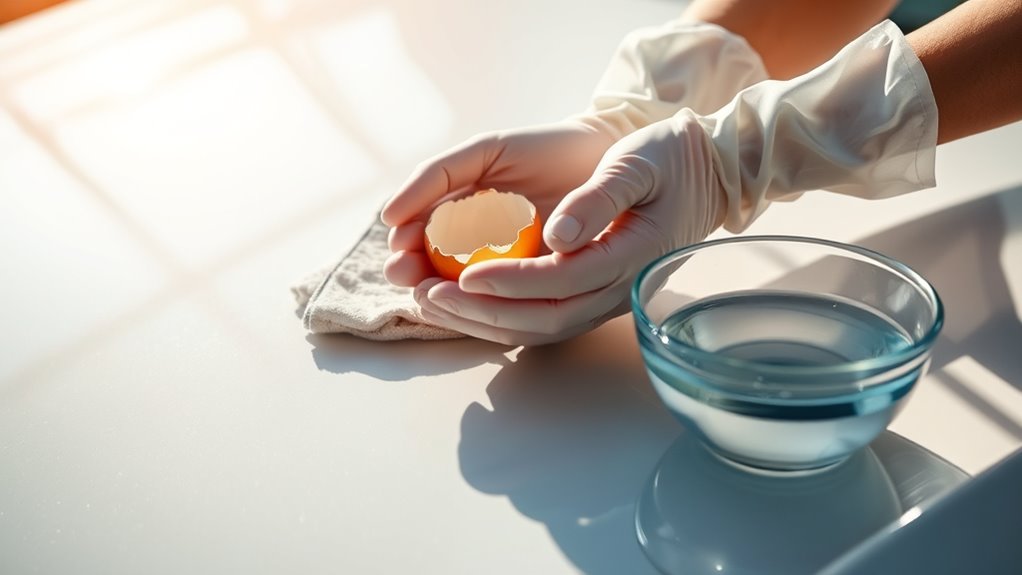
Before the eggshells harden and bond to your car’s surface, gently pick up any loose pieces using your fingers or a plastic tool to avoid scratching the paint. You want to remove these fragments carefully to prevent damage. Don’t press too hard; excessive pressure can chip the paint.
After you’ve lifted the bigger eggshell bits, take a soft, damp microfiber cloth to loosen and lift any remaining shell fragments. Instead of wiping, blot the area gently—this reduces abrasion and protects the clear coat on your car.
Acting promptly makes removing eggshells safer and easier, so don’t wait until they harden. By following these steps, you’ll safeguard your paint while effectively removing eggshells without causing scratches or damage.
Soften Egg Residue With Warm Water and Mild Soap
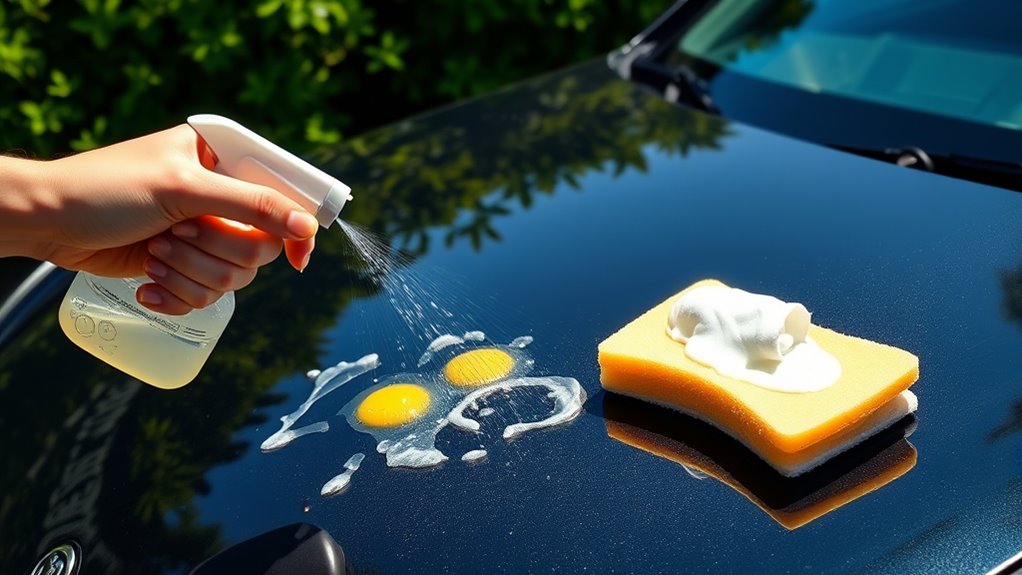
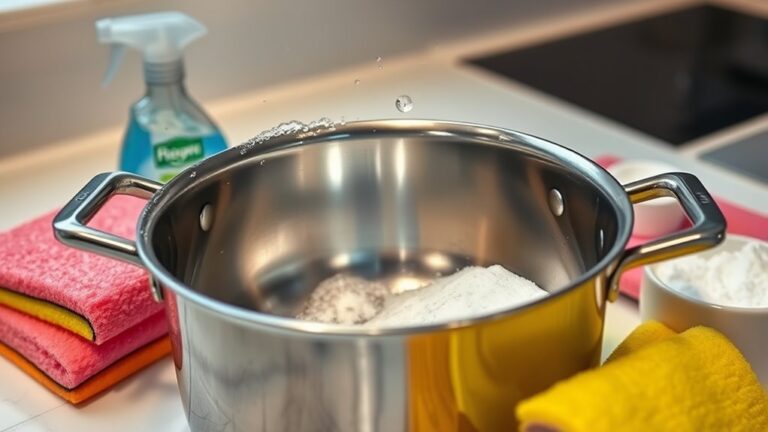
When egg residue dries on your car, it can become stubborn and difficult to remove, so you’ll want to soften it first using a simple mixture of warm water and mild dish soap. Mix one tablespoon of dish soap with one cup of warm water in a spray bottle. Spray this soapy warm water generously over the dried egg on your car’s surface.
Let it sit for 5 to 10 minutes to soften egg residue, making removal easier. Then, use a soft microfiber cloth or sponge to gently wipe the area—avoid harsh scrubbing to protect your car’s paint.
Afterward, rinse thoroughly with clean water to wash away soap and loosened egg. This step is essential for effective removing egg residue before proceeding with a full car wash.
Try Vinegar or Safe Car Cleaners for Tough Egg Stains
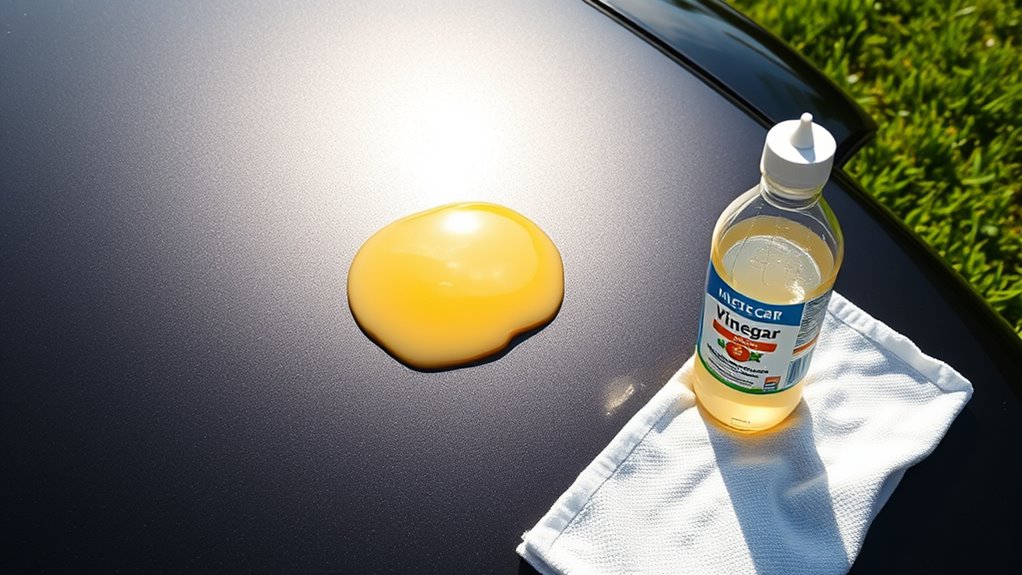
If softened egg residue still clings to your car, you can spray white distilled vinegar directly onto the stain and let it sit for 10 to 15 minutes to help break it down. Vinegar works wonders on tough egg stains without harming your car paint.
Afterward, use a gentle, automotive-specific cleaner or a mild dish soap wash to remove any remaining residue safely. Follow these steps for best results:
- Test vinegar or cleaner on a small, hidden spot first to avoid damage.
- Spray vinegar on the egg stain and wait 10–15 minutes.
- Apply a safe cleaner and gently wash the area.
- Use a waterless wax to protect car paint while wiping stubborn spots.
This approach helps you remove egg stains effectively without risking your car’s finish.
Rinse and Dry Thoroughly to Protect Your Car’s Finish
Once you’ve tackled the egg stains with vinegar and a safe cleaner, rinsing your car thoroughly with plain water will remove any leftover residue and cleaning agents. Be sure to rinse every affected area to wash away debris completely.
After rinsing, dry your car using a clean microfiber cloth to prevent water spots and streaks that can harm the finish. Avoid drying your vehicle in direct sunlight; instead, work in a shaded spot to stop rapid evaporation, which causes spotting.
Properly drying your car not only keeps the surface spotless but also protects the finish by preventing moisture from seeping into scratches or imperfections. Taking these steps will help maintain your car’s appearance and safeguard its paint from damage after cleaning.
Apply Wax or Sealant to Safeguard Your Paint After Cleaning
Although you’ve thoroughly cleaned and dried your car, applying a high-quality wax or sealant is essential to protect its paint from future damage. This step forms a protective barrier that guards against contaminants like egg residue and harmful UV rays.
Here’s how to apply wax or sealant correctly:
- Confirm your car is completely dry after washing and removing dried egg with water and cleaning products.
- Use a soft applicator pad or microfiber cloth to spread wax or sealant evenly in small, circular motions.
- Let the product cure for 10-15 minutes as per the instructions.
- Buff off the residue to reveal a glossy finish and maintain protection by reapplying every 3-6 months.
This process safeguards your paint and keeps your car looking pristine.
Frequently Asked Questions
How to Remove an Egg From a Car?
You gently scrape off eggshells, then spray vinegar and water to soften residue. After 10-15 minutes, wipe with a damp cloth.
For stubborn spots, use rubbing alcohol, rinse thoroughly, and dry to protect your car’s paint.
Will WD-40 Remove Eggs From Car?
You might think WD-40’s from the Flintstones, but yes, it can remove eggs from your car. Spray it, wait, then wipe gently.
Just test first and rinse well to protect your paint from damage.
Is Egg Hard to Clean off a Car?
Yes, egg can be hard to clean off your car, especially if it’s dried or baked on.
You’ll want to act quickly and use gentle cleaning methods to avoid damaging your paint while removing it effectively.
How to Clean a Raw Egg off a Car Seat?
Don’t worry if it seems tricky—just gently scrape off dried egg, blot with a warm, damp cloth, apply mild soap solution, then blot again.
Repeat as needed, rinse, and air dry. You’ve got this!
Conclusion
Getting egg off your car might feel like a tough nut to crack, but with these simple steps, you’ll have your ride shining again in no time. Just remember to be gentle, patient, and thorough—rushing can do more harm than good.
After cleaning, protect your paint with wax or sealant, so your car stays as smooth as silk. Follow these tips, and you’ll keep your car looking fresh, no matter what life throws at it!
By following these easy steps to remove egg from your car, you ensure your vehicle maintains its shine and finish. Proper care and timely cleaning are key to keeping your car’s paint safe from damage caused by egg residue.