Is It Painful for a Chicken to Lay an Egg?
Is it painful for a chicken to lay an egg? You might not realize it, but most chickens lay eggs with little to no pain because their bodies are designed for smooth passage.
Younger hens and those laying larger or double-yolk eggs can experience some discomfort as their tissues stretch.
Severe pain usually signals problems like egg binding, which needs attention.
If you want to understand more about what causes egg-laying pain and how to help your hen, keep exploring these important details.
Normal Egg Laying: How Hens Lay Eggs Without Pain
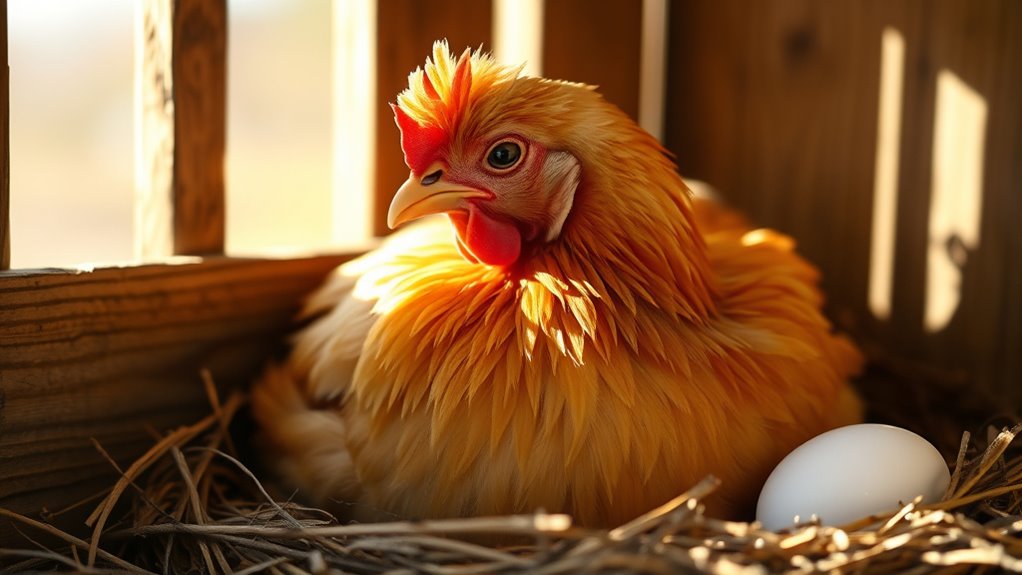
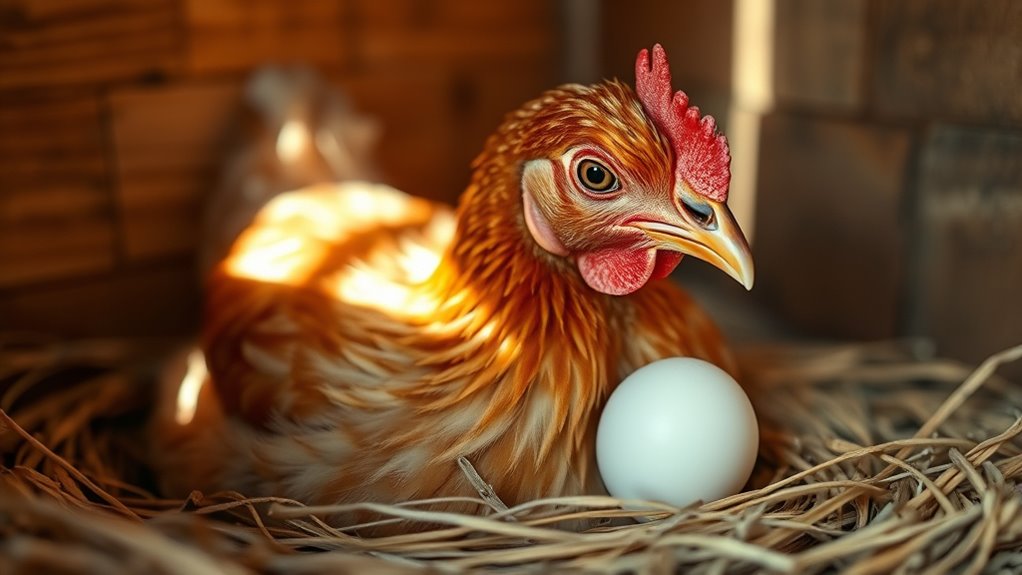
Although laying an egg might seem uncomfortable, most hens experience little to no pain once their reproductive system is fully developed. During normal egg laying, the egg moves smoothly through the oviduct, guided by muscular contractions that gently push it toward the vent.
You might be surprised to learn that the hen’s body and vent stretch gradually to accommodate the egg, making the process natural and relatively effortless. The egg’s shape and size are perfectly designed for easy passage, which helps prevent discomfort.
Healthy hens usually lay eggs quietly or with minimal noise, signaling that the process isn’t painful. So, when you watch a hen laying an egg, know that her body is well-adapted to handle it comfortably through coordinated muscular contractions and gradual stretching of the vent.
When Does Egg Laying Hurt Hens? Causes of Discomfort
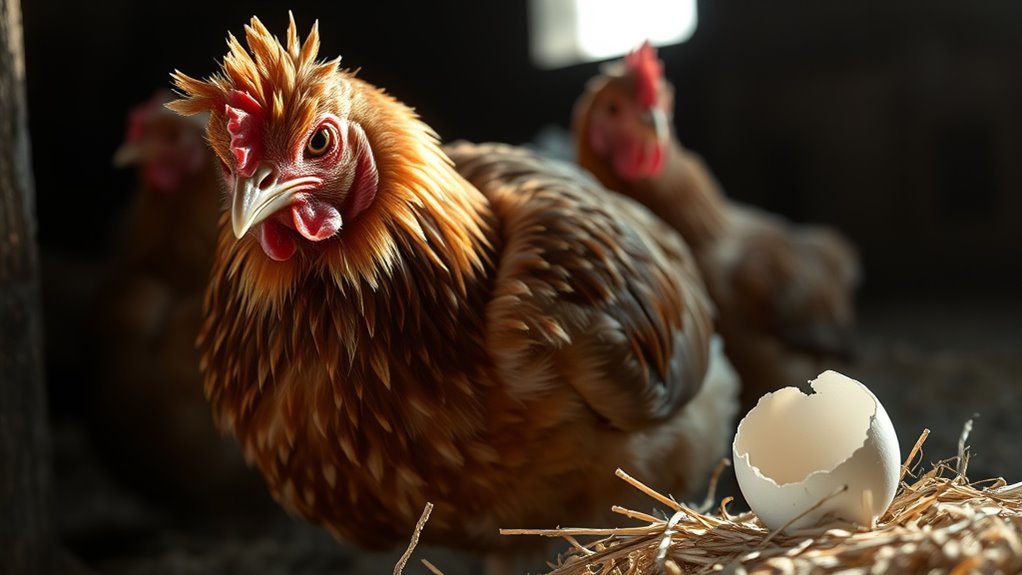
Even though most hens lay eggs without pain, certain conditions can cause discomfort during the process. For example, when you see signs of pain like panting, squeaking, or blood on eggs, it indicates trouble.
Egg laying hurts hens if they face issues like egg binding, where an egg gets stuck and causes severe distress. Larger or oddly shaped eggs passing through their reproductive tract can also cause temporary pain.
Additionally, if hens lack enough calcium or suffer from stress or health problems, their egg-laying experience can become painful. Paying attention to these signs of pain helps you recognize when egg laying isn’t going smoothly and when a hen might need care to prevent complications or serious injury during this natural process.
Why Do Younger Hens Experience More Egg Laying Pain?
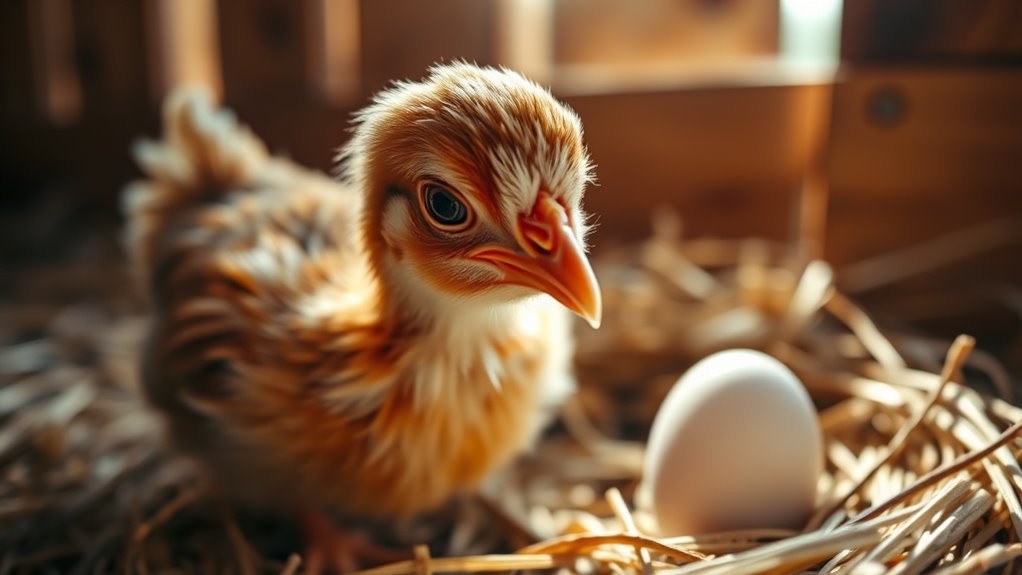
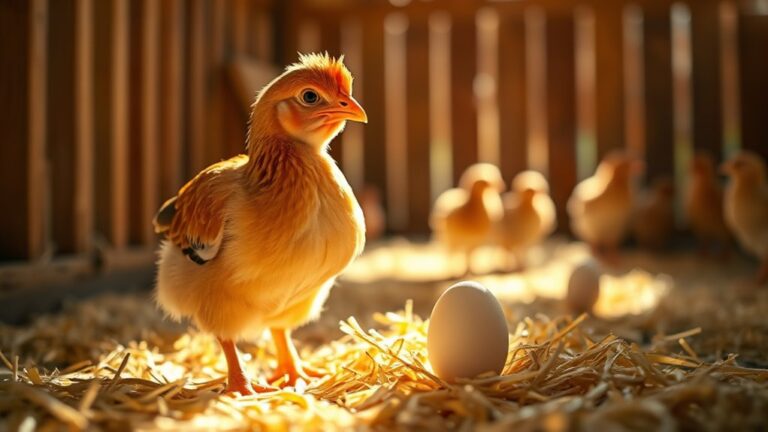
Younger hens often feel more pain because their vents haven’t stretched or adapted yet to handle egg passage smoothly. The size of the egg can add extra discomfort, especially when their muscles and tissues are still developing.
You’ll notice they face more physical strain during laying compared to mature hens whose bodies are better prepared.
Vent Stretching And Adaptation
Since their vent tissues haven’t fully stretched or become flexible, young hens feel more discomfort when laying eggs. You’ll notice their vent lacks the elasticity needed for smooth egg passage, making each laying experience more challenging. The muscle control around the vent is still developing, so the stretching required to pass an egg can cause pain.
As hens mature, their vent gradually adapts, becoming more elastic and better at accommodating eggs with less resistance. This vent stretching reduces discomfort over time, allowing older hens to lay eggs more comfortably.
Understanding this process helps you see why younger hens struggle more—they’re simply not yet physically prepared for the demands of egg laying that come with vent elasticity and muscle maturation.
Egg Size And Discomfort
As a hen’s vent stretches and adapts, the size of the eggs passing through plays a big role in how much discomfort she feels. Younger hens have less flexible vents and smaller reproductive tracts, so larger eggs can cause significant pain and discomfort.
Initially, these hens lay smaller eggs, but as the eggs grow, the strain increases, leading to more pain.
| Hen Age | Egg Size | Vent Flexibility | Discomfort Level |
|---|---|---|---|
| Young | Small | Low | Moderate |
| Young | Larger | Low | High |
| Mature | Larger | High | Low |
| Mature | Optimal | High | Minimal |
Younger hens often experience more pain because their bodies aren’t yet adapted to handle larger egg sizes comfortably.
Physical Strain On Hens
When a hen’s reproductive tract hasn’t fully stretched and developed, passing eggs becomes a tougher physical challenge. Younger hens have smaller, less elastic vent tissue, making it harder for them to push out eggs without discomfort. Because their muscles and reproductive tract aren’t yet strong or flexible, they experience more pain during egg laying.
You might notice a young hen squeaking or struggling as she exerts extra effort to lay her eggs. This physical strain can cause increased discomfort and even injury. As hens mature and lay more eggs, their reproductive organs stretch and strengthen, reducing the pain and effort needed to pass eggs.
Do Large or Double-Yolk Eggs Cause More Pain?
You might notice that larger eggs can cause more discomfort for hens because they stretch the reproductive tract more.
Double-yolk eggs, being bigger, often add extra strain and can increase pain during laying.
Understanding how egg size affects hens helps explain why some eggs are tougher to lay than others.
Egg Size And Discomfort
Though hens naturally lay eggs of varying sizes, producing larger or double-yolk eggs can cause them noticeable discomfort. When you consider egg size, oversized eggs require more muscular effort for hens to pass, which increases their discomfort. The reproductive tract stretches more with bigger eggs, raising the chances of pain or complications like egg binding.
Younger or less experienced hens especially struggle with oversized eggs, as their bodies aren’t fully adapted to handle the extra strain. While all hens experience some effort during laying, the increased difficulty linked to larger eggs means they can feel more pain and stress. Understanding this helps you appreciate the challenges hens face, especially when producing eggs that are much bigger than average.
Double Yolks And Pain
Because double-yolk eggs are larger than standard ones, hens often face more strain when laying them. During the egg laying process, these oversized eggs demand extra effort to pass through the hen’s reproductive tract, which can increase discomfort or pain.
You should know that double yolks typically occur in young hens with immature reproductive organs, making the process more irregular and strenuous. While many hens manage to lay double yolk eggs without major issues, some may experience pain if the egg causes stretching beyond their vent’s capacity or leads to impaction.
In rare cases, laying these larger eggs can result in egg binding or internal injury, causing significant pain. So yes, double yolks can sometimes make the egg laying process more painful for hens.
What Is Egg Binding and Why Does It Hurt So Much?
When a hen struggles to lay an egg due to its size or a calcium deficiency, she can become egg bound, a painful condition that demands immediate attention.
Egg binding happens when the egg gets stuck inside, often because it’s too large or the hen lacks enough calcium to strengthen her muscles and shell. You’ll notice her straining, breathing heavily, and acting lethargic with a swollen abdomen. The pressure causes severe pain as the egg presses against internal organs.
If untreated, it can damage her reproductive tract or lead to infection. To help, gently lubricate the vent and provide calcium supplements to ease muscle contractions. Sometimes, veterinary care is necessary to safely remove the egg and relieve her suffering.
Nutrition and Environment Tips to Ease Egg-Laying Pain
To ease your hen’s egg-laying pain, focus on providing a calcium-rich diet and a comfortable environment. Calcium from oyster shells or crushed eggshells fortifies eggshells and alleviates laying. A clean, dark nesting box reduces stress and encourages smooth egg passage.
Keep your hen well hydrated and offer a balanced diet to support reproductive health.
| Nutrition Tips | Environment Tips | Additional Care |
|---|---|---|
| Provide calcium daily | Clean, private nesting box | Offer warm Epsom salt baths |
| Ensure proper hydration | Reduce environmental stress | Give ample space |
| Balanced diet | Comfortable surroundings | Monitor egg-laying closely |
These steps help reduce discomfort and prevent egg-laying complications effectively.
Do Different Chicken Breeds Feel Egg Laying Pain Differently?
You’ll notice that some chicken breeds vocalize more during egg laying, which can signal varying pain levels. Breeds laying larger or oddly shaped eggs often face greater discomfort compared to smaller, more efficient layers.
Genetic traits also play a role in how sensitive each breed is to the egg-laying process.
Breed Variations In Vocalization
Although different chicken breeds vocalize differently during egg laying, these variations don’t necessarily mean they experience pain differently. You’ll notice breeds like Leghorns and Rhode Island Reds tend to be more vocal, often producing loud calls or “songs” during the process. In contrast, Orpingtons are generally quieter.
This vocalization reflects each breed’s temperament and behavior rather than pain levels. Sometimes, the sounds you hear might seem like distress, but they’re often just normal expressions of effort or excitement during egg laying.
Egg Size And Discomfort
While different breeds may express themselves uniquely when laying eggs, the size of the egg plays a bigger role in how much discomfort a hen experiences. Larger eggs, especially those beyond the normal size, increase pressure on a hen’s reproductive tract, causing more discomfort during laying.
Breeds like Leghorns that produce bigger eggs often face greater difficulty and potential pain compared to breeds like Ameraucanas that lay smaller eggs. You’ll notice younger hens laying smaller eggs usually feel less discomfort, while older hens producing larger eggs endure more physical strain.
Oversized eggs also raise the risk of complications such as egg binding and internal injury. So, when it comes to discomfort, egg size matters far more than breed differences in laying pain.
Genetic Factors Affect Sensitivity
Because chicken breeds differ in their reproductive anatomy and physiology, they don’t all experience egg-laying pain the same way. When you consider breed-specific traits, you’ll find that some hens like Silkies or Bantams have smaller reproductive tracts, making egg passage easier and less painful for them. In contrast, breeds bred for high egg production, such as Leghorns or ISA Browns, often face more discomfort due to larger eggs and frequent laying.
You should also know that vent elasticity varies genetically among breeds, affecting how smoothly an egg passes through the vent. Muscle strength differences tied to these breed-specific traits further influence the pain sensitivity during laying. So, when evaluating egg-laying pain, it’s essential to factor in these genetic differences across chicken breeds.
Signs a Hen Is in Pain While Laying Eggs
If you notice your hen making loud screeches or adopting unusual postures like crouching or dragging her wings during egg-laying, she’s likely in pain. These signs of pain reveal hen distress and egg-laying discomfort that shouldn’t be ignored. You might also see blood on eggs or in her droppings, which can indicate internal injury.
Behaviorally, a hen in pain may become lethargic, avoid moving, or hesitate to enter her nesting area. Physically, watch for panting, gasping, or awkward stances that signal difficulty, such as egg binding. Recognizing these signs of pain helps you understand when your hen is struggling, ensuring you can monitor her condition closely and seek advice if necessary.
How to Help a Hen Struggling to Lay an Egg
When a hen struggles to lay an egg, you can take several steps to ease her discomfort and support her through the process. Start by providing a warm, shallow bath with Epsom salts to relax her muscles. Then, place her in a quiet, dimly lit nesting box with soft bedding to reduce stress.
Gently lubricate her vent with vegetable oil or KY jelly to help ease the egg’s passage and prevent egg binding. Additionally, offer calcium supplements like crushed oyster shells to strengthen eggshells.
- Warm bath with Epsom salts for muscle relaxation
- Quiet, comfortable nesting box with soft bedding
- Lubricate vent gently to facilitate egg movement
- Provide calcium supplements to reduce egg binding risk
These steps can help your hen lay more comfortably and safely.
When Should You Call a Vet for Egg-Laying Problems?
Although many hens lay eggs without issues, you should call a vet if your hen shows signs of severe distress like constant straining or loud vocalizing. Pain during egg-laying, inability to lay an egg, or prolonged effort over 30 minutes are urgent signs.
Blood on eggs or swelling around the vent also warrants immediate care. Watch for lethargy or labored breathing, indicating serious health concerns.
| Sign | Possible Issue | Action Needed |
|---|---|---|
| Constant straining | Egg binding | Call vet immediately |
| Blood on eggs or feces | Internal injury | Seek urgent care |
| Swelling around vent | Infection | Vet consultation |
| Lethargy, hunched posture | Illness | Medical evaluation |
| Unusually large/misshapen egg | Pain during egg laying | Professional help needed |
Frequently Asked Questions
Why Do Chickens Scream When They Lay Eggs?
Chickens scream when they lay eggs because they feel pressure or discomfort passing the egg. You’d notice they vocalize to communicate distress or struggle, especially if the egg is large or they’re inexperienced at laying.
This vocalization can also serve as a signal to other chickens, indicating vulnerability during this moment. Additionally, the act of laying an egg involves muscle contractions that might cause discomfort, prompting the scream.
Is It Cruel for Chickens to Lay Eggs?
You should know it can be cruel if hens face poor care or forced egg production, causing pain and distress.
But with proper nutrition, space, and gentle handling, you can reduce their suffering considerably.
How Long Does It Physically Take a Chicken to Lay an Egg?
Like a swift curtain call, the final stage of laying takes you just seconds to a minute, though the entire egg journey spans about 25 hours.
You’ll push quickly once everything’s ready, finishing in under two minutes.
Can a Chicken Hurt Itself Laying to Big an Egg?
Yes, you can hurt a chicken laying too big an egg. Oversized eggs may cause internal pain, injuries, or tears.
You shouldn’t force removal, as that risks worse damage. Always monitor and support her health carefully.
Conclusion
So, next time you think laying an egg is a breeze, remember your hen might be starring in a drama you don’t see. Sure, most hens handle it like pros, but sometimes it’s a painful soap opera—especially for younger hens or those with oversized eggs.
If your feathery friend looks like she’s auditioning for a tragedy, don’t just “wing it.” Help her out or call the vet before things get egg-stremely messy!
Understanding whether it is painful for a chicken to lay an egg is important. Recognizing the signs can help you provide timely care and ensure your hen stays healthy and comfortable.