

How to Eat Fertilized Chicken Eggs Safely
You can safely eat fertilized chicken eggs by first recognizing the small, white germinal disc on the yolk, though it won’t affect taste or safety. Proper handling of fertilized eggs is essential to ensure they are safe to consume. Make sure to collect eggs daily and refrigerate them promptly to stop any embryo growth.
Always cook eggs thoroughly to at least 165°F (74°C) to kill bacteria. Avoid eating them raw or undercooked to reduce the risk of foodborne illness. If you want to understand more about proper handling and myths, there’s plenty to explore.
How to Identify Fertilized Eggs
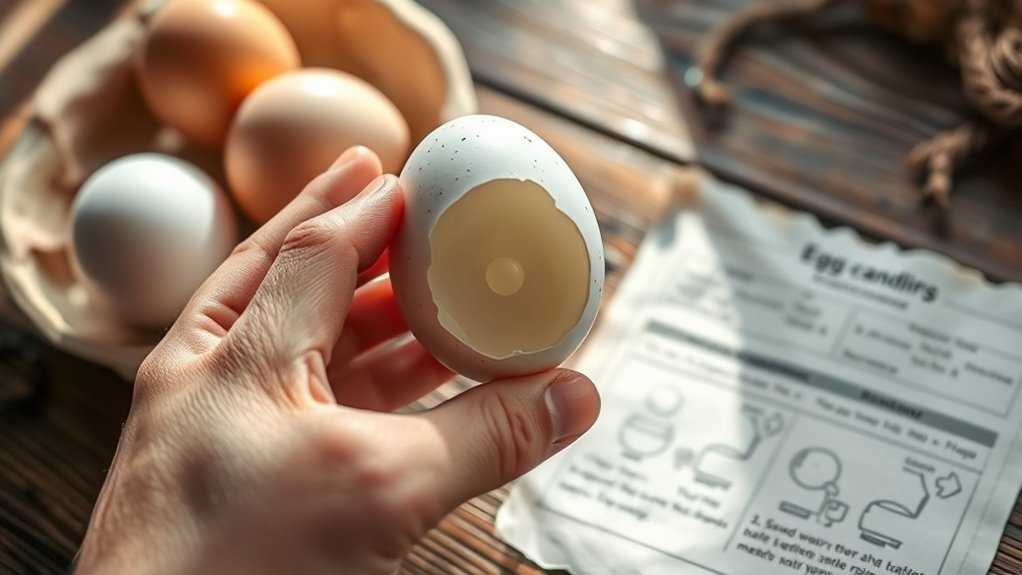
Although fertilized eggs look very similar to unfertilized ones, you can identify them by spotting a small, white germinal disc on the yolk. This germinal disc is usually circular and may appear larger and more defined in fertilized eggs compared to unfertilized eggs. However, the difference is subtle and often requires magnification to see clearly.
Sometimes, you might notice a faint bullseye or pinpoint spot on the yolk, which often indicates fertilization, but it’s not always reliable. Keep in mind that the presence of a germinal disc doesn’t affect the taste or safety of the egg.
Why Fertilized Eggs Pose No Health Risk

Because fertilized eggs aren’t incubated at warm temperatures, they don’t develop embryos and remain just as safe to eat as unfertilized eggs. When you store fertilized eggs properly—refrigerating them within hours of laying—you effectively stop any embryo development. This means fertilized eggs are indistinguishable from unfertilized ones regarding safety.
There’s no scientific evidence showing fertilized eggs are harmful or toxic when fresh and unincubated. Even though fertilized eggs contain a germinal disc, it doesn’t affect their safety or taste. So, if you’re wondering whether fertilized eggs are safe to eat regardless of fertilization, rest assured they pose no health risk when handled and stored correctly.
You can enjoy them just like any other eggs without worry.
Cooking Fertilized Eggs Safely

When you cook fertilized eggs, reaching an internal temperature of 165°F (74°C) is essential to eliminate any bacteria or potential embryo development.
To guarantee safe food handling and proper cooking fertilized eggs, follow these steps:
- Use a food thermometer to check the internal temperature, ensuring it hits 165°F (74°C).
- Choose cooking methods like boiling, scrambling, frying, or baking, which evenly cook the eggs and kill pathogens.
- Avoid eating fertilized eggs raw or undercooked, as this increases the risk of foodborne illness.
How to Collect and Store Fertilized Eggs
To keep fertilized eggs fresh and prevent embryo growth, you should collect them every day and refrigerate them within a few hours. Embryo development typically starts after about a week, so daily collection helps stop this process early.
When you store eggs, use a clean, dry container and keep them at a steady 40°F (4°C) in the fridge to maintain freshness and safety. Avoid washing fertilized eggs with soap or hot water, as this can damage the protective shell coating. If needed, gently wipe them with a dry or damp cloth instead.
Label your eggs if you need to distinguish fertilized eggs from others, especially for specific culinary uses. Proper collection and storage effectively halt embryo development and keep your eggs safe to eat.
Debunking Myths About Fertilized Eggs
Proper collection and storage of fertilized eggs keep them fresh and safe, but you might still hear concerns or misconceptions about eating them.
Let’s clear up the confusion by debunking myths related to food safety and fertilized eggs:
- Fertilized eggs pose no health risks; their fertilization status doesn’t make them harmful.
- A germinal disc or faint bullseye on the yolk shows fertilization but doesn’t affect edibility.
- Embryo development only happens if eggs are incubated warm for days; refrigeration stops this, keeping eggs safe.
Frequently Asked Questions
Is It Safe to Eat Backyard Eggs Right Now?
Yes, you can safely eat backyard eggs right now if you collect them daily and refrigerate promptly. Proper handling prevents embryo development, so fertilization doesn’t pose a risk.
Just keep them fresh and stored correctly.
Can You Eat a Chicken Egg Right After It’s Laid?
You can eat a chicken egg right after it’s laid—it’s fresher than a morning sunrise! Just grab it quickly, clean it gently, and enjoy.
Refrigerate soon to keep it safe and tasty for days.
How Long Can Fertilized Eggs Sit Out Before Eating?
You should eat fertilized eggs within one week if they sit out at room temperature, but don’t leave them out longer than two hours to avoid spoilage or embryo development.
Refrigerate promptly for safety.
What Do You Do With Fertilized Chicken Eggs?
You can eat fertilized chicken eggs just like regular ones—cook them thoroughly.
Since over 90% of fertilized eggs don’t develop if refrigerated promptly, you’ll keep them safe by storing and using them quickly for delicious meals.
Conclusion
Now that you know how to identify, cook, and store fertilized chicken eggs safely, you can enjoy them without worry. Remember, a stitch in time saves nine—proper handling prevents any issues before they start.
Fertilized eggs pose no health risk when treated right, so don’t let myths hold you back. With these tips, you’re all set to include fertilized eggs confidently in your meals.
Enjoy their unique benefits safely and deliciously by following safe handling and cooking methods. Eating fertilized chicken eggs safely ensures a nutritious and tasty addition to your diet.