Is It Ok to Eat a Frozen Egg Safely
You can safely eat a frozen egg as long as you store and handle it properly. Freezing eggs is a convenient way to preserve them, but it’s important to follow some safety tips. Avoid freezing eggs in cracked shells since that can let bacteria in.
Thaw eggs slowly in the fridge, never at room temperature or with hot water. Always cook them thoroughly to 160°F to kill any bacteria. Use thawed eggs within 24 hours and don’t refreeze them.
If you want to know how freezing affects egg quality and best practices, keep exploring these tips. Proper handling ensures your frozen eggs remain safe and delicious for your recipes.
Are Frozen Eggs Safe to Eat?
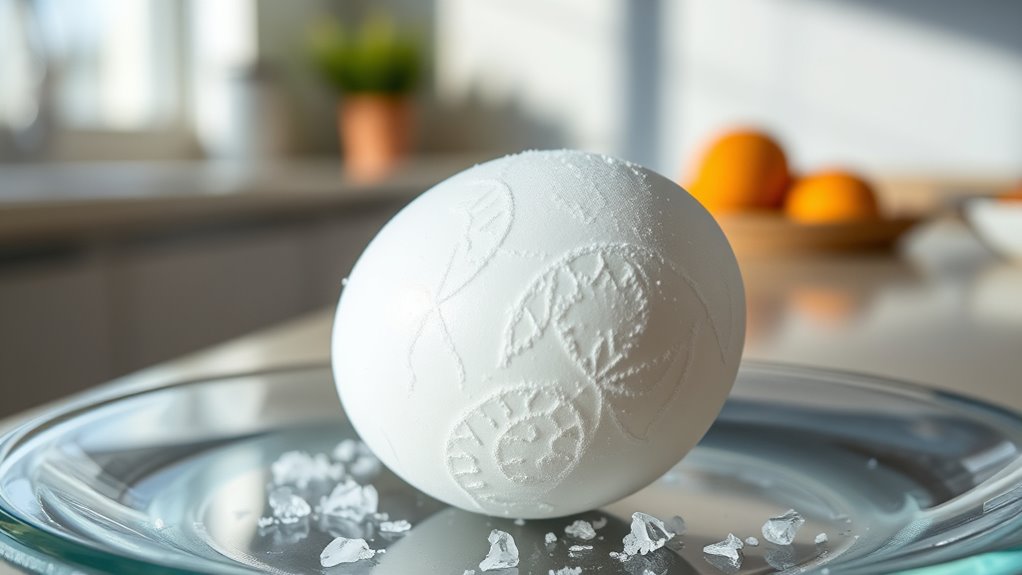
How safe are frozen eggs to eat? If you store frozen eggs properly without cracks and cook them thoroughly after thawing, they’re generally safe. Remember, freezing doesn’t kill bacteria, so you need to cook eggs to an internal temperature of 160°F to eliminate any harmful germs.
Never freeze eggs in their shells, as they can crack during freezing, increasing contamination risks. When it’s time to thaw frozen eggs, do it in the refrigerator or under cold running water—avoid room temperature or hot water, which encourages bacterial growth.
While properly stored and cooked frozen eggs are safe to eat, be aware that freezing can change their texture and limit how you can use them in recipes.
How to Tell If a Frozen Egg Is Safe
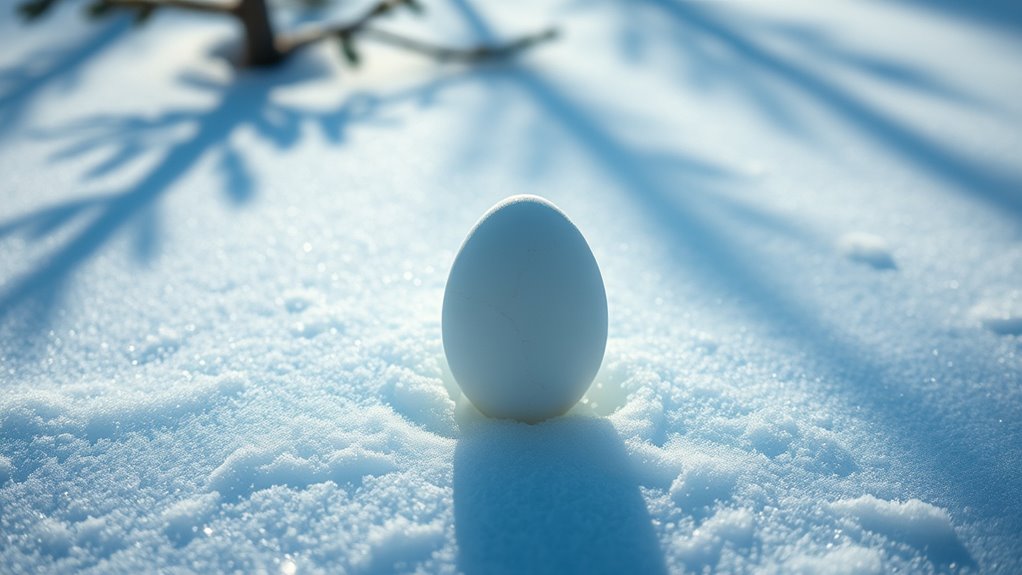
Although freezing eggs in their shells isn’t recommended, you might still find some frozen eggs with intact shells. To guarantee Food Safety, always inspect the eggs carefully. Cracked shells indicate potential contamination, so discard those eggs immediately.
If the shell is unbroken, thaw the egg in the refrigerator and check for unusual odors or textures before use.
| Inspection Point | What to Look For |
|---|---|
| Shell Condition | No cracks or damage |
| Odor | No foul or unusual smell |
| Texture After Thaw | Normal consistency (gel-like yolks are acceptable) |
Following these steps helps you decide if a frozen egg is safe to eat, minimizing risks associated with cracked shells and bacterial contamination.
Why You Should Discard Cracked Frozen Eggs
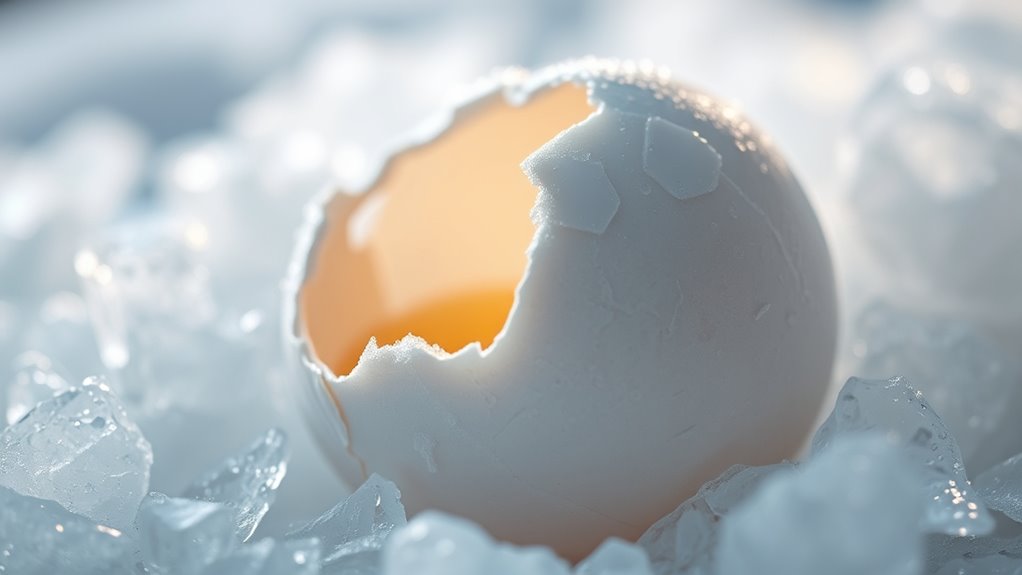
Because cracked frozen eggs have compromised shells, you should discard them to avoid health risks. Cracks in eggshells create entry points for bacteria and contaminants like chicken feces, making these eggs unsafe to eat. Freezing can cause eggs to crack naturally or during handling, but once cracked, the egg’s protective barrier is lost.
Using cracked eggs increases your risk of foodborne illness, as harmful pathogens can easily invade. To stay safe, only thaw and use frozen eggs with intact shells. If you find cracked eggs after freezing, don’t try to salvage them—it’s best to throw them away.
How Freezing Affects Egg Safety and Quality
When you freeze eggs, their texture changes, especially the yolks, which can turn gel-like and affect how they work in recipes.
You’ll want to handle thawing carefully to keep them safe, ideally in the fridge or cold water.
As long as you cook them thoroughly afterward, frozen eggs can be safe to eat despite these texture shifts.
Impact On Egg Texture
Freezing changes the texture of eggs in ways that might surprise you, especially if you plan to use them in recipes that rely on their original consistency. When you freeze eggs, egg whites stay relatively stable but can become slightly runny, while yolks turn gel-like and firm.
This shift affects how well they work in dishes like poached eggs or delicate batters. Although freezing doesn’t compromise safety, it does alter the texture and quality, so you may want to adjust your cooking methods.
| Component | Texture After Freezing |
|---|---|
| Egg Whites | Slightly more runny |
| Egg Yolks | Gel-like, firm, rubbery |
| Safety | Remains safe if handled right |
| Usage | Less suited for raw or light cooking |
Safety Considerations After Freezing
While freezing changes the texture of eggs, it doesn’t make them inherently unsafe to eat. The key safety considerations after freezing involve how you thaw and cook the eggs. Frozen eggs don’t kill bacteria, so you must thaw them properly—in the refrigerator, cold water, or at room temperature—and avoid hot water, which encourages bacterial growth.
Also, never use eggs with cracked shells, as cracks increase contamination risk. After thawing, cook eggs thoroughly to eliminate any bacteria present. Keep in mind that while freezing can alter quality, safety depends mainly on proper handling.
How to Thaw Frozen Eggs Safely
Because thawing frozen eggs improperly can encourage bacterial growth, you should always thaw them in the refrigerator at 40°F or below for several hours or overnight. This method keeps the eggs at a safe temperature while they slowly defrost.
If you need to thaw frozen eggs faster, place them in a sealed container and submerge it in cold water, changing the water every 30 minutes until thawed. Avoid thawing eggs at room temperature or using hot water, as these increase the risk of bacteria.
Once you thaw frozen eggs, use them within 24 hours and make sure to cook them thoroughly to an internal temperature of 160°F. Never refreeze eggs after thawing, as it compromises safety and quality.
How to Use Frozen Eggs in Cooking and Baking
When you’re ready to cook or bake with frozen eggs, make certain to remove the shells beforehand to avoid cracking and guarantee smooth mixing. It’s important to note that egg whites usually keep their volume well, so you can confidently use them in recipes like meringues or soufflés.
However, yolks and whites may change texture, especially yolks becoming gel-like, which can affect dishes like custards. To keep eggs safe, always discard any shell eggs with cracks after freezing, since they risk bacterial contamination.
How to Freeze Eggs Correctly to Avoid Safety Issues
To freeze eggs safely, you should beat them thoroughly before placing them in airtight containers to prevent contamination. Make sure to label each container with the date and the number of eggs or volume to keep track of freshness.
This simple step helps you use your frozen eggs confidently and avoid safety issues.
Beating Eggs Before Freezing
If you want to freeze eggs safely and keep them easy to use, beating them before freezing is essential. When you crack eggs open, whisk the yolks and whites together until fully combined. This simple step prevents the yolks from gelling, which can make using frozen eggs tricky later.
For dishes like scrambled eggs, beaten frozen eggs thaw evenly and cook smoothly. To further improve texture, add a pinch of salt or sugar per 1/4 cup of eggs before freezing. Portion the beaten eggs into containers or silicone ice cube trays, then seal and label them with the date.
Avoid freezing eggs in their shells, as they can crack and raise safety concerns. Beating eggs before freezing ensures you get a safe, convenient ingredient ready for your next meal.
Using Airtight Containers
Beating eggs before freezing sets the stage for safe storage, but how you store them plays an equally important role. When freezing raw eggs, always use airtight, leak-proof containers to prevent contamination and odor transfer. Avoid freezing raw eggs in their original carton unless it’s airtight.
Seal containers tightly to prevent air exposure, which causes freezer burn and degrades quality.
| Container Type | Airtight? | Best For |
|---|---|---|
| Plastic freezer box | Yes | Beaten raw eggs, whites |
| Glass jar | Yes | Small quantities |
| Original carton | No | Not recommended |
Keep containers sealed until thawing in the fridge or under cold water to maintain safety and freshness.
Labeling And Dating
Although freezing eggs preserves them well, you need to label and date each container accurately to avoid safety issues. Use waterproof markers or labels to prevent smudging or peeling in the freezer. Date your eggs within 24 hours of freezing so you can track storage times precisely.
Make sure to include details like whether the eggs are whole, just yolks, or whites, and note any additives like salt or sugar. This information helps you identify contents quickly and avoid confusion.
Regularly check your frozen eggs and rotate them by using the oldest first. This practice minimizes the risk of consuming eggs past their recommended storage period, keeping you safe and ensuring the best quality every time you thaw and use them.
How Long Frozen Eggs Stay Safe and Fresh
When you freeze eggs properly in airtight containers, they stay safe to eat for up to one year. After 12 months, their quality may decline, impacting texture and flavor.
To keep your frozen eggs fresh, thaw them slowly in the refrigerator and cook them thoroughly to kill any bacteria. Avoid freezing eggs with cracked shells, as they can harbor contaminants and spoil faster.
| Storage Time | Safety |
|---|---|
| Up to 1 year | Safe to eat |
| Over 1 year | Quality drops |
| Cracked shells | Discard |
Frequently Asked Questions
What to Do if You Accidentally Freeze Eggs?
If you accidentally freeze eggs, check for cracks and discard any damaged ones.
Thaw them safely in the fridge or under cold water, then cook thoroughly. Avoid room temperature thawing to keep them safe to eat.
Why Did Priyanka Chopra Froze Her Eggs?
Priyanka Chopra froze her eggs because she wanted to preserve her fertility while focusing on her career and personal goals.
You can see it as a smart way to keep your options open for future motherhood without pressure.
Can You Thaw a Frozen Egg and Use It?
Of course, you can thaw a frozen egg—just don’t expect it to hatch into a chicken!
Thaw it safely in the fridge or cold water, cook thoroughly, and enjoy your slightly quirky, edible egg creation.
What Happens to an Egg if You Freeze It?
When you freeze an egg, its shell often cracks, and the yolk thickens, becoming gel-like. The whites stay stable, but texture changes.
Thawed eggs work best in cooked dishes, not raw or delicate recipes.
Conclusion
Eating frozen eggs can be safe if you handle them properly, but you shouldn’t take chances with cracked or improperly stored ones. Think of frozen eggs like delicate treasures—you need the right care to keep them fresh and safe.
By thawing them carefully and using them quickly, you’ll avoid any risks. Remember, freezing eggs correctly is the key to preserving their quality, so you can enjoy your recipes without worry.
In conclusion, eating frozen eggs safely depends on proper handling and storage. Always ensure the eggs are intact before freezing and thaw them properly to maintain safety and quality.