When Do Brahma Chickens Start Laying Eggs How to Guide
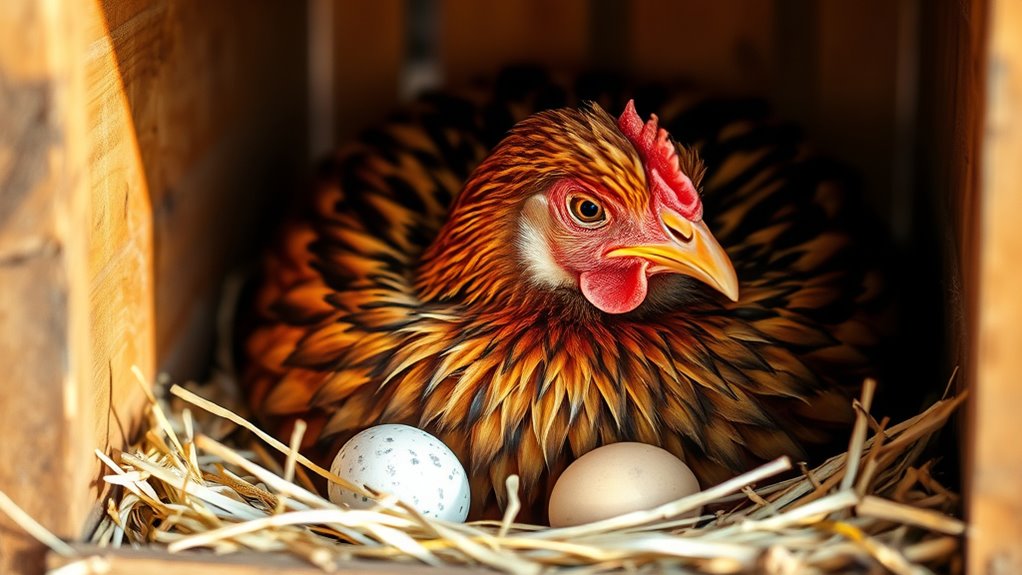
You can expect your Brahma chickens to start laying eggs around 8 to 9 months old, though some may begin a bit earlier or later depending on genetics and care.
When do Brahma chickens start laying eggs is a common question among poultry keepers because they mature slower than other breeds due to their large size and dense feathers.
Make sure to provide high-quality feed with plenty of protein and calcium, along with a stress-free environment. Proper nutrition is essential to encourage steady laying.
Stick with good care habits, and you’ll encourage consistent egg production.
There’s plenty more to know about managing their slow growth and early eggs.
Brahma Chicken Laying Age: When to Expect Eggs
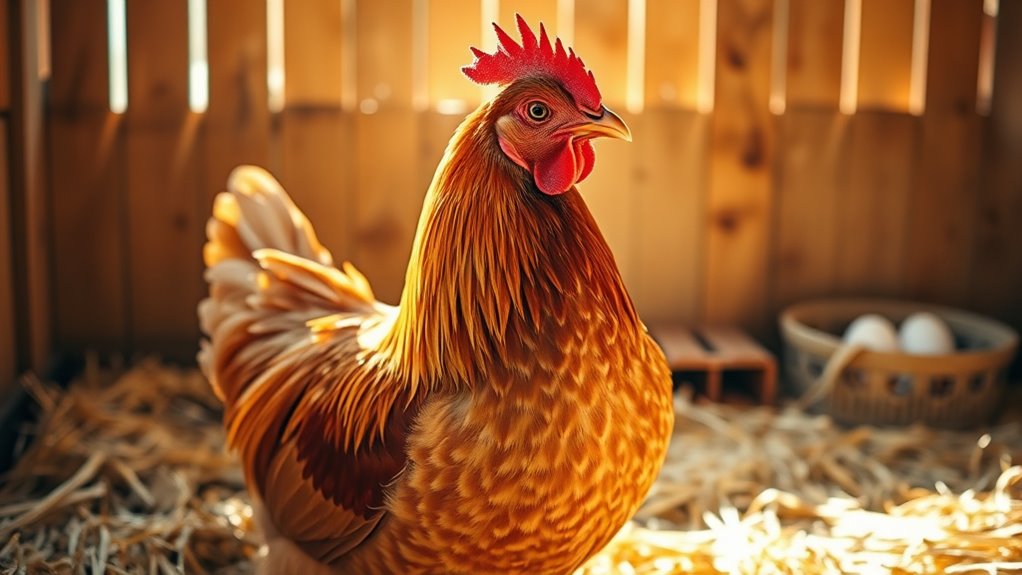
Although Brahma chickens mature more slowly than some other breeds, you can generally expect your hen to start laying eggs between 8 and 9 months of age. Some Brahmas might surprise you by laying as early as 22 to 24 weeks, but that’s less common.
Keep in mind, hatchery-bred Brahmas tend to start laying later, sometimes not until 9.5 months or older, while breeder lines often begin earlier. When your Brahma hen starts laying eggs, her first ones will likely be small and light-colored, like off-white or goldenish.
Over time, the eggs will increase in size. Most Brahma chickens continue laying well into the cooler months, giving you a steady supply of eggs once they hit maturity.
Why Brahma Chickens Mature Slower Than Other Breeds
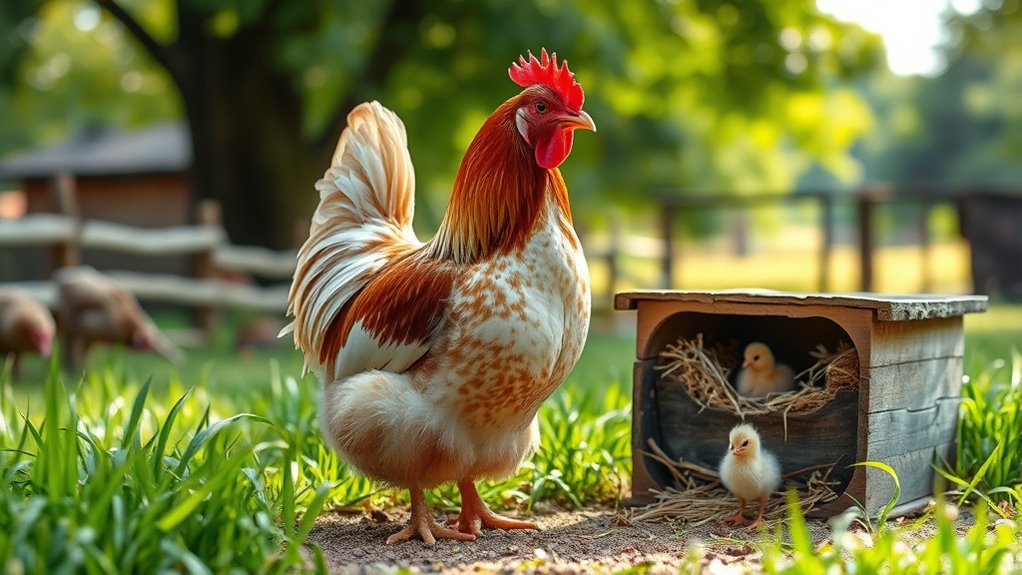
You’ll notice Brahma chickens mature slower due to their unique genetic growth traits, which prioritize size over speed. What you feed them also plays a key role in how quickly they develop.
Plus, the environment they grow up in can impact their overall growth and readiness to lay eggs.
Genetic Growth Factors
Because Brahma chickens have large bodies and dense feathering, their genetic makeup drives a slower growth and maturation process than faster-growing breeds. These genetic growth factors influence when laying hens begin producing eggs, often delaying it until they’re around 8 months old or more. Their genes prioritize steady development over rapid maturity, which affects their egg-laying timeline.
You’ll notice this breed’s traits stem from:
- Heavy body size requiring longer growth periods
- Dense feathering that slows physical development
- Selective breeding for calm temperament and appearance
- Genetic predisposition for a prolonged growth cycle
Understanding these genetic factors helps you set realistic expectations for your Brahma hens’ laying schedule without comparing them to quicker-maturing breeds.
Nutritional Impact On Maturity
When you provide Brahma chickens with the right nutrition, you support their slower growth and help them mature at a healthy pace. Their large size and dense feathers demand more nutrients, especially protein and calcium, to fuel proper development. Without a balanced diet, their growth slows even further, delaying the onset of egg-laying.
High-quality, protein-rich feed ensures they develop steadily without rushing maturity, which is vital for this breed. By focusing on nutrition, you help Brahmas reach maturity ideally, avoiding the pitfalls of deficiencies that can stunt their progress.
Environmental Influences On Development
Alongside proper nutrition, the environment plays a significant role in how Brahma chickens develop. Their slower maturity compared to other breeds is partly due to environmental stressors and seasonal changes that affect growth. You’ll notice their large size and thick feathers need more time to fully form.
To support their development, you should focus on minimizing environmental stressors like extreme weather and poor sanitation. Providing adequate space for comfortable movement is also important. Maintaining stable, cool temperatures that suit their dense feathering helps them thrive. Additionally, managing seasonal changes can prevent prolonged growth periods.
Even with ideal conditions, Brahmas naturally take longer to mature than lighter breeds. Understanding and controlling these environmental factors helps you support healthy growth and timely egg laying.
How to Spot Brahma Chickens’ First Signs of Laying
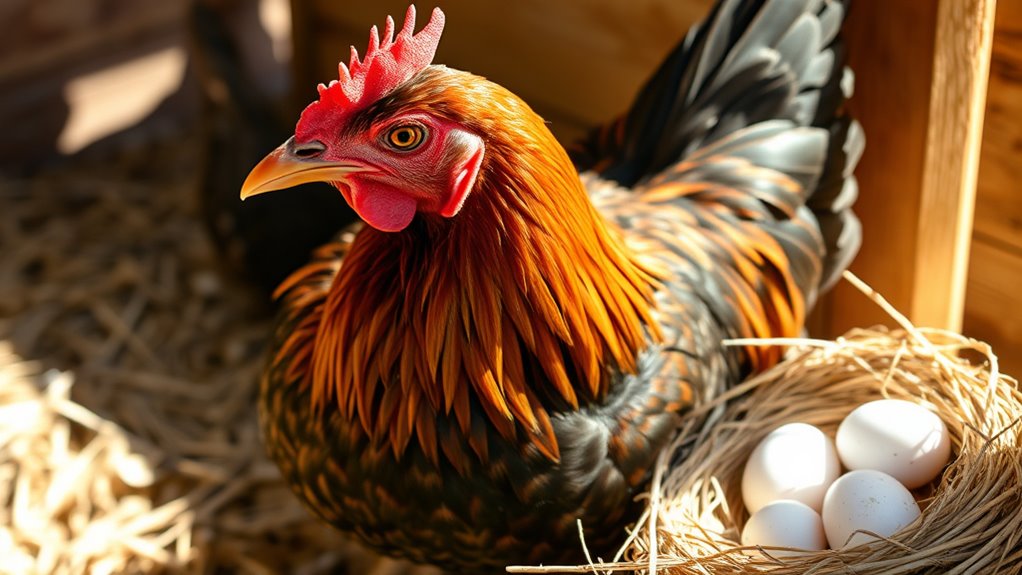
Although Brahma hens typically start laying eggs around 8 to 9 months old, you might notice signs as early as 5 or 6 months. The first signs of laying eggs often include your hen squatting when approached, vocalizing more, and showing a strong interest in nesting areas. You’ll also see her spending extra time in the nesting box and becoming more alert around the coop.
Physically, watch for a reddening of the comb and wattles, which signals her body is preparing for egg production. Early eggs may be small, light-colored, and irregularly shaped, but size and consistency improve over time. By spotting these behaviors and physical changes, you can confidently tell when your Brahma hen is about to start laying eggs.
What to Feed Brahma Pullets for Healthy Egg Production
You’ll want to focus on feeding your Brahma pullets a balanced diet rich in protein and essential nutrients as they approach laying age. High-quality layer feed, combined with calcium supplements, plays a key role in supporting strong eggshells and overall health.
Let’s explore the nutritional needs, feed essentials, and supplements that keep your pullets healthy and productive.
Nutritional Needs Overview
To keep your Brahma pullets healthy and productive, you need to provide a balanced diet rich in essential nutrients. High-quality layer feed with sufficient calcium is vital to support strong eggshells once they start laying.
Along with that, make sure to offer a protein level of about 16-18% to promote growth and egg production. Supplement with oyster shell or crushed limestone for added calcium. Provide constant access to fresh, clean water to aid digestion.
Guarantee they have grit available to help break down grains and supplements. Avoid sudden diet changes to prevent stress. Meeting these nutritional needs sets the foundation for healthy, consistent egg laying in your Brahma pullets.
Layer Feed Essentials
When your Brahma pullets reach around 16 to 20 weeks old, shifting them gradually to a high-quality layer feed becomes vital for healthy egg production. Choose a layer feed formulated specifically for pullets, packed with the right balance of calcium, protein, and vitamins. These nutrients support strong eggshells and overall health, preparing your Brahma hens for consistent egg laying.
Transition slowly from starter feed to layer feed to meet their evolving nutritional needs without digestive upset. Alongside layer feed, offer fresh, clean water daily to guarantee proper hydration and nutrient absorption. While occasional treats like vegetables and grains are fine, the focus should remain on a balanced layer feed to promote ideal egg production in your Brahma chickens.
Supplements For Egg Health
Although a balanced layer feed forms the foundation of your Brahma pullets’ diet, adding targeted supplements can considerably enhance egg health and production.
To support strong eggshells and overall reproductive health, focus on these key additions:
- Provide crushed oyster shells or limestone starting around 16-20 weeks to supply extra calcium for robust eggshell formation.
- Offer protein-rich treats like mealworms or cooked eggs during peak laying to boost nutrition.
- Include vitamin and mineral supplements formulated for poultry to strengthen immunity and reproductive function.
- Ensure fresh, clean water is always available to aid nutrient absorption and maintain health.
How Weather and Environment Affect Brahma Egg Laying
Since Brahma chickens thrive in cooler temperatures, you’ll notice they lay eggs more consistently from October to March. Their dense feathers and large bodies help them handle cold weather, promoting steady egg production during these months.
However, hot summer weather can slow their laying, so you’ll want to provide plenty of shade, ventilation, and fresh water to keep them comfortable. The environment also plays a big role; muddy or wet conditions can cause health problems like foot infections or frostbite, which stress your hens and reduce egg output.
Finally, guarantee their area is secure and predator-proof. Stress from threats in their environment can cause drops in laying, so maintaining a safe, clean space helps keep your Brahma hens productive year-round.
Laying Differences: Hatchery vs. Breeder Brahma Chickens
If you’re raising Brahma chickens, you’ll notice that hatchery and breeder birds don’t start laying eggs at the same time. Hatchery Brahmas typically begin laying later, sometimes not until over 9 months old. Breeder lines, however, often start laying between 20 to 22 weeks. This difference stems from genetics, hatchery practices, and individual health.
Keep these points in mind:
- Hatchery Brahmas usually start laying around 19 weeks or later.
- Breeder Brahmas often begin laying earlier, at about 5 to 6 months.
- Hatchery birds show more variability in laying onset.
- Breeder birds have a more consistent, earlier laying pattern.
Understanding these differences helps you manage expectations and care for your Brahmas effectively.
Egg Size and Color to Expect From Young Brahma Hens
When your young Brahma hens start laying, you’ll notice their eggs are usually small to medium-sized and brown, though the color can vary quite a bit. At first, the egg size might be on the smaller side, and egg color can range from light off-white to goldenish shades. Some hens even produce eggs with tan, pink, or blue hues, depending on genetics.
As your Brahma hens mature past 20 weeks, expect egg size to increase and egg color to become more consistent, typically settling into reliable medium to large brown eggs. This gradual improvement in egg quality and size reflects their development and helps you anticipate what to expect during their early laying phase.
Caring for Brahma Hens During Their Early Laying Phase
Although Brahma hens take longer to start laying than some breeds, you’ll want to provide extra care during their early laying phase to support healthy egg production. This period is pivotal as they shift into regular layers.
Brahma hens need extra care during their slow early laying phase to ensure healthy egg production.
To care for your Brahmas during early laying, focus on:
- Feeding a balanced, high-quality layer feed to meet nutritional needs
- Ensuring constant access to fresh, clean water to stay hydrated
- Keeping nesting boxes clean and dry to encourage consistent laying
- Handling hens gently and patiently as they mature slowly
Tips to Maintain Consistent Egg Laying in Brahmas
To keep your Brahma hens laying consistently, you’ll need to provide a balanced diet rich in calcium and protein, maintain a steady light cycle of 14 to 16 hours daily, and guarantee their coop stays clean and secure. Light Brahma chicken exposure is vital, especially during shorter days, to stimulate them to lay eggs regularly.
Make sure they always have access to fresh, clean water, which supports their health and egg production. Avoid overcrowding and sudden changes in their environment to minimize stress, as stressed hens often stop laying eggs. Secure the coop against predators to prevent disturbances that might disrupt their routine.
Frequently Asked Questions
How Long Does It Take Brahma Chickens to Start Laying Eggs?
Brahma chickens usually start laying eggs around 8 to 9 months old, but some may begin as early as 5 or 6 months.
How Do You Tell When Your Chickens Are Ready to Start Laying Eggs?
You’ll know your chickens are ready to lay when they squat when you approach, vocalize more, and their combs and wattles turn red.
They’ll also spend more time in the nesting box, signaling egg-laying readiness.
How Big Should Nesting Boxes Be for Brahma Chickens?
You should make nesting boxes about 12 inches square for your Brahma chickens, as they can weigh up to 12 pounds.
This size gives them enough room to comfortably lay eggs without feeling cramped or stressed.
How Long Does It Take a Brahma to Reach Full Size?
Your Brahma chicken will reach full size around 12 months old. Growth is slow but steady, so make sure you provide proper nutrition and enough space to support their development throughout that first year.
Patience and consistent care are key during this period. Providing a balanced diet rich in proteins and vitamins will help them grow healthy and strong.
Also, ensure they have ample room to move around, as exercise contributes to their overall growth. Keep an eye on their progress and adjust their care as needed to promote optimal development.
Conclusion
So, you’re waiting on your Brahma chickens like they’re royalty taking their sweet time to grace you with eggs—because, well, they are! Don’t expect them to rush; these gentle giants march to their own slow, regal beat.
Feed them right, keep them comfy, and maybe bribe them with some extra treats. Patience isn’t just a virtue here; it’s your new best friend if you want those big, beautiful Brahma eggs rolling in!
In conclusion, understanding when Brahma chickens start laying eggs will help you manage your expectations and care routine better. Proper feeding, comfort, and patience are key to enjoying the rewards of these magnificent birds.